| OCR Text |
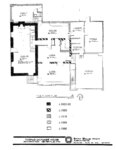
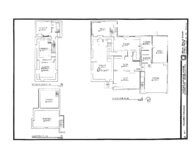
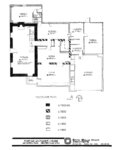
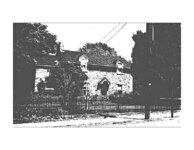
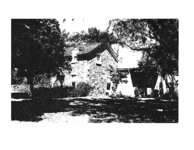
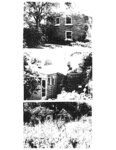
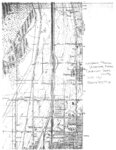
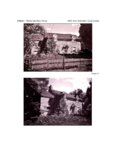
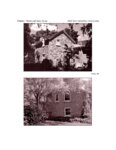
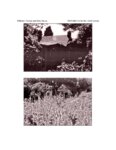
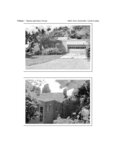
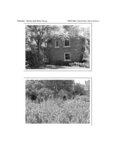
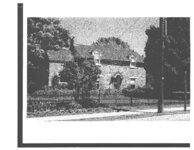
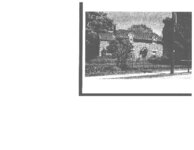
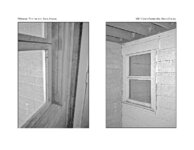
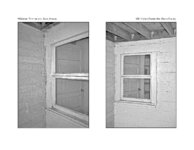
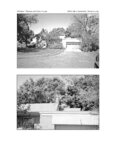
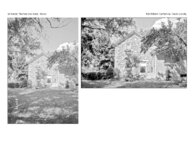
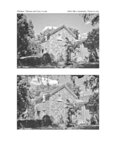
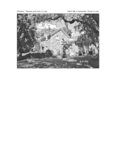
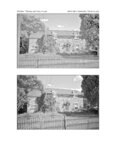
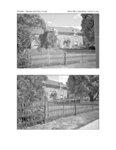
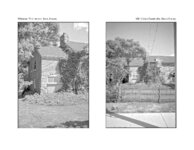
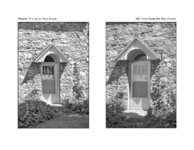
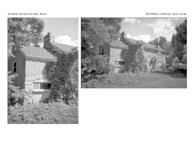
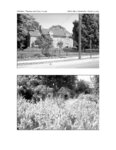
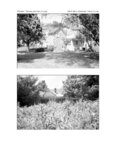
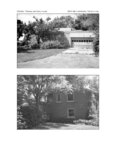
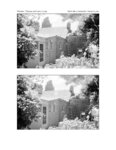
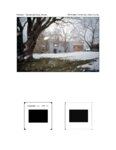
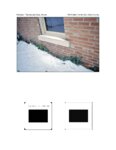
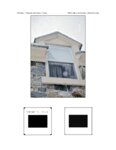
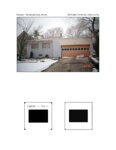
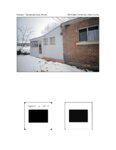
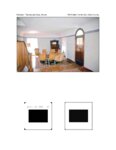
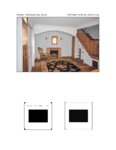
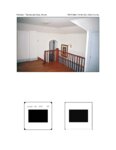
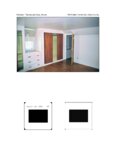
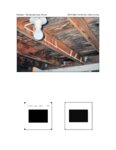
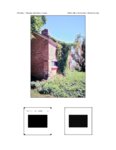
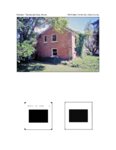
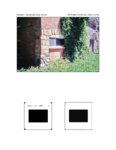
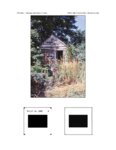
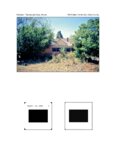
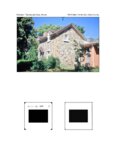
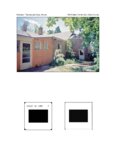
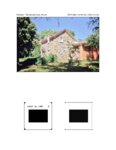
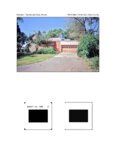
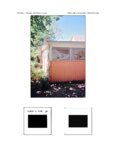
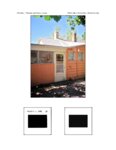
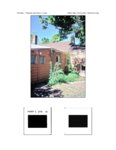
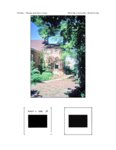
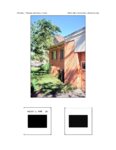
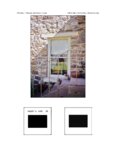
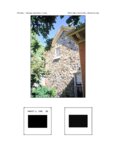
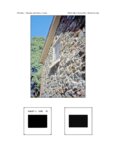
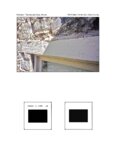
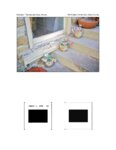
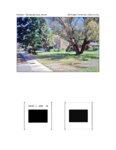
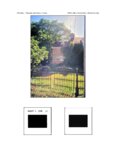
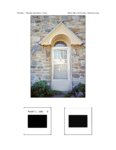
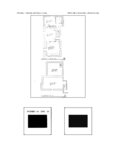
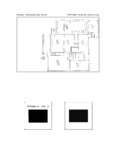
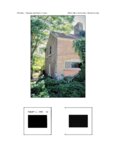
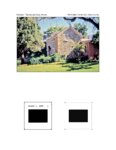
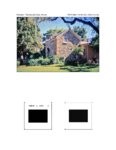
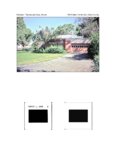
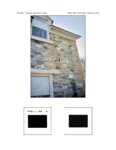
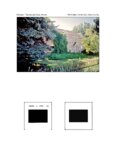
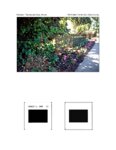
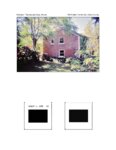
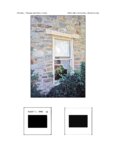
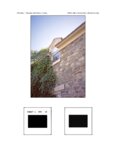
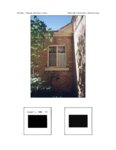
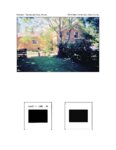
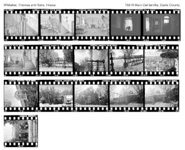
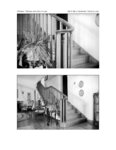
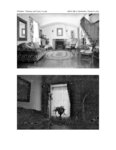
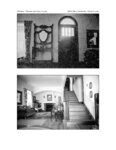
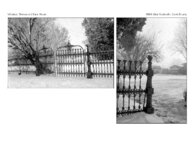
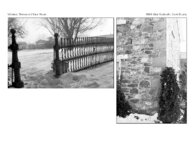
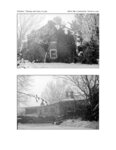
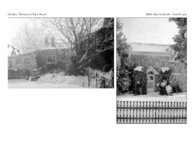
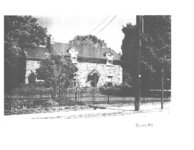
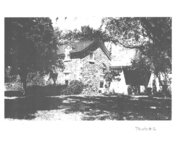
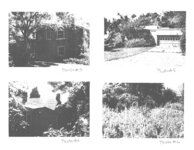
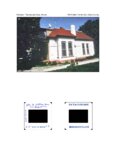
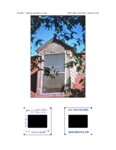
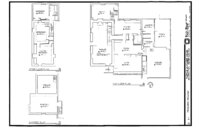
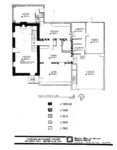
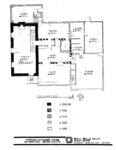
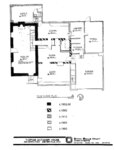
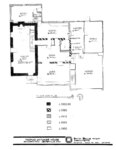
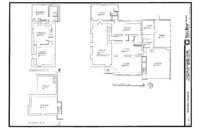
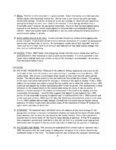
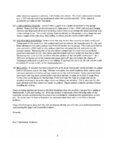
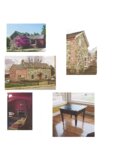
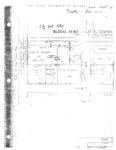
Show NPS Fo". 10-900-a Utah WordPerfect 5. 1 Fonnat (Revlsed Feb . 1993) ()18 No. 10024-0018 United States Department of the Interior National Park Service National Register of Historic Places Continuation Sheet Section No. __7__ Page __1__ Whitaker, Thomas and Elizabeth Mills, House, Centerville, Davis County, UT Narrative Description The Thomas and Elizabeth Mills Whitaker house is a west-facing one-and-one-half story stone house, built c.1862-66, with a c.191 0 addition on the north side and a series of substantial additions on the east side dating from c.1880-1960. The varied roof line and floor plan of the current structure indicates that there were probably four major phases of additions. (See attached plan drawing that shows phases of construction.) A first addition appears to have been built c.1880 onto the east center portion of the original stone structure, forming an el1. 1 The apparent second phase, c.1910, includes a brick structure built onto the north side of the original stone house and on the north side of the ell. A third phase consists of wood frame additions on the northeast end of the brick addition, c.1950s. The concrete block addition that forms the southeast corner of the entire structure's footprint, was probably added during the 1960s. While the additions are substantial, the original house and historic portions of the building are the predominant features of the structure and it maintains its historic qualities on its principal elevation that make it a significant building in Centerville. The house faces west on heavily trafficked Main Street in Centerville, Utah, which also served as the main highway through the area until the interstate freeway was constructed. The house was once part of the Whitakers' farm, orchard, and nursery business, and although it has been encroached upon by low-density commercial establishments and suburban development, the vacant, over-grown fields adjacent to the north and the east help impart a sense of its once-rural surroundings. The original stone house incorporates Federal stylistic features such as a symmetrical prinCipal facade, side gables, moderate-pitched roof, wood lintels above the windows, plain, unornamented entablature, and simple detailing. It appears that the house was remodeled with Colonial Revival details such as the fanlight over the front door and clear leaded glass window in the side elevation. Also English Cottage detailing was implemented both inside and out by c.1930s, described below. STONE HOUSE (c.1862-66) The stone of the original house was probably gathered from dry creek beds and rocky bench lands around Centerville and Farmington and is laid in a random ashlar pattern with beaded joints that are somewhat eroded. Sandstone quoins define the southwest and northwest corners (the street elevation). The foundation is stone; the roof is asphalt shingle. The windows are one-over-one, wood double hung, with the exception of the leaded glass casement window on the upper story of the south wall. (This window appears to be contemporary with the Period Revival interior remodeling undertaken in the 1920s or 1930s. However the opening appears to be from the original construction.) The windows have wood lintels and sills. The eaveline on the west facade is broken by two gabled dormers that appear to be original to the house. The front entrance appears to have been altered with the 1920s or 1930s alterations, evident by the lintel seen behind This portion of the current structure is difficult to separate from the later additions. Therefore the description of this portion of the building is limited. L See continuation sheets |