| OCR Text |
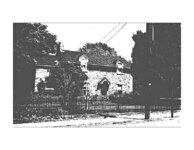
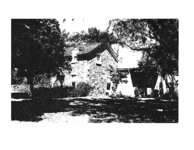
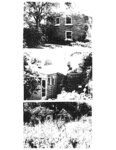
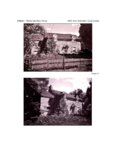
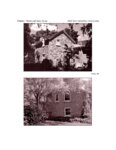
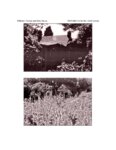
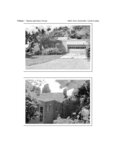
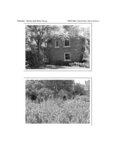
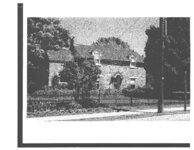
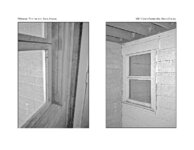
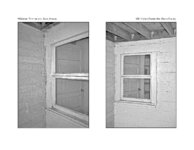
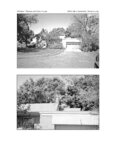
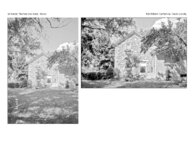
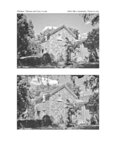
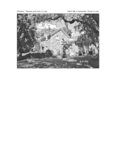
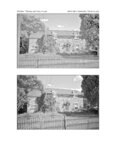
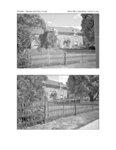
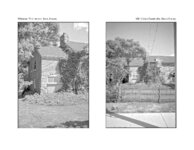
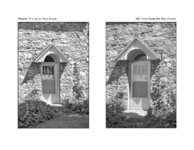
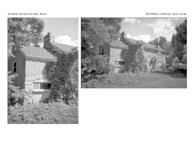
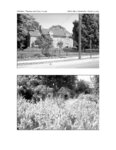
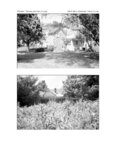
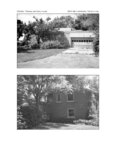
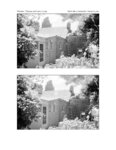
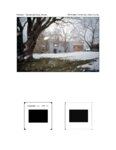
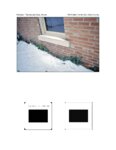
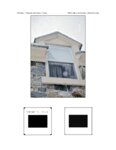
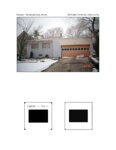
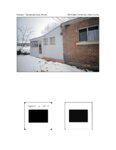
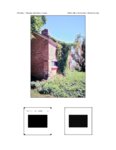
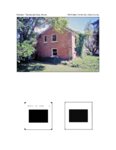
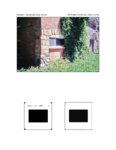
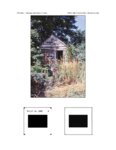
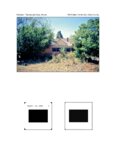
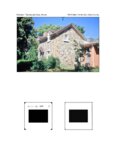
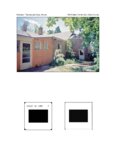
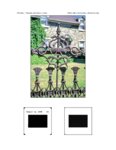
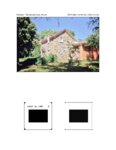
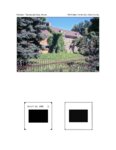
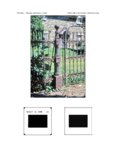
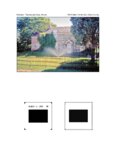
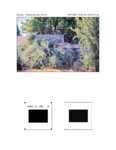
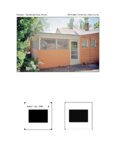
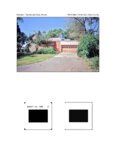
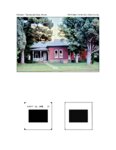
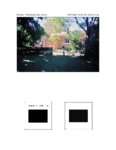
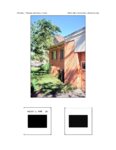
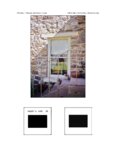
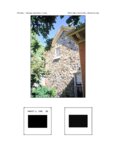
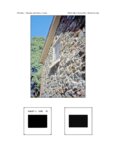
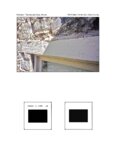
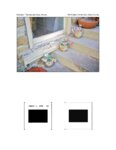
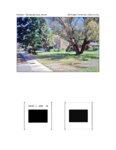
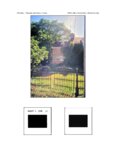
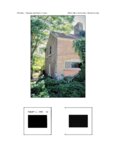
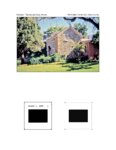
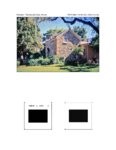
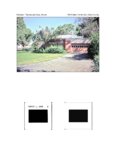
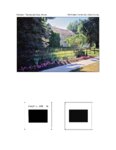
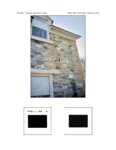
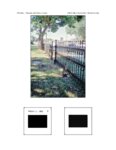
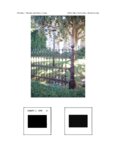
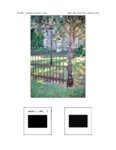
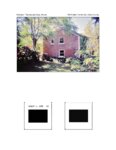
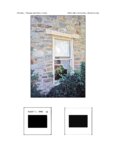
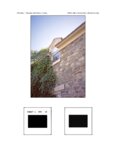
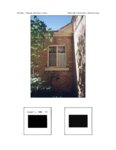
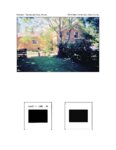
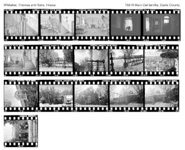
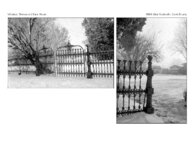
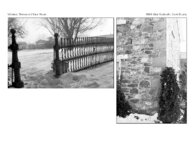
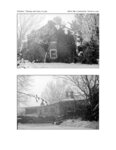
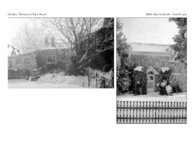
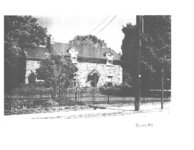
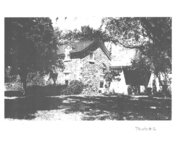
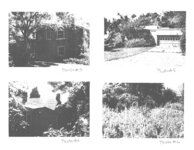
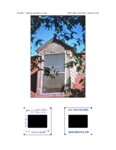
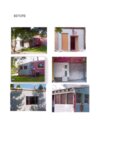
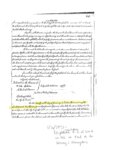
Show Site Site condition obseNations are limited to issues that directly impact the house or other historic features. ~ ~ Modify the ground condition at the northeast corner of the northern brick addition. As previously described, a swale should be developed at this point to direct any surface run-off or drainage to flow around the brick addition and avoid the below-grade threshold rear door. Remove or trim back trees north and east of the house to prevent damage to the roofs of both the house and the frame outbuilding. Remove wild roses, saplings, etc. within five feet of the house and the outbuilding. Scrape, prep and paint the frame outbuilding. Install an appropriate door and lock. ~ Replace the T-post at the north end of the cast iron fence with a more compatible post. Periodically check condition of south end of fence - future post replacem ent or reinforcin g may be needed . ~ Secure double gate in fence with simple lock to prevent use and damage. ~ Remove new suckers from lilac that are growing into the fence. ~ ~ Roof Although the various roofs were not inspected at roof level, they appear to all be between about five and fifteen years old and in good condition, the exception being the roof on the frame outbuilding. ~ ~ Repair roof deck and properly reshingle the outbuilding. (See attached information sheet on recommended shingle types and colors.) Clean debris from roof valleys. Check all flashings, edges, and changes in slopes or roofing materials and "re-goop" as needed. (When the house is re-roofed in the future, install properly detailed sheetmetal flashings .) ~ Remove TV antenna and all unnecessary cables and wires on the roof. Seal any holes. ~ Repair and repoint chimneys as needed. Match the historic mortar in color, texture, strength and profile. The mortar mix should be quite 'soft' and composed of approximately 2 parts Type Slime, 8 parts sand and 1 part Type II cement. (A 'harder' mortar with slightly more cement can be used in more exposed locations such as chimneys.) If not being used, chimney open ings could be covered with sheetmetal (use lead-coated copper or other nonshiny bright metal). Friction-fit caps of quarter-inch hardware cloth will prevent entry of larger animals and still let chimney function. ~ Exterior The exterior of the Whitaker House is in good condition-walls, windows and doors are quite ·functional. No significant cracks or bulges in the walls were noted. A few maintenance items are noted along with restoration suggestions. ~ Remove all the virginia creeper and ivy that is growing on or near the building. Both plants quickly force their way into openings in stone, brick and wood and cause damage. Repair deteriorated window sills by cleaning sills of loose paint and dirt, filling cracks with appropriate epoxy fillers and repainting. (Most damage was noted on south and west sills on the main level.) ~ Repoint the stone mortar joints which are "open" or have failed. It is very important the historic mortar and application is matched. Of particular note-the visible aggregate in the mortar and the remaining examples of the beaded (raised) mortar joint, both of which should be carefully matched. This is not a job for an inexperienced volunteer or city employee. ~ Repair and repoint loose brick around northwest kitchen window. ~ 2 |