| OCR Text |
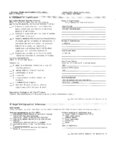
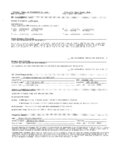
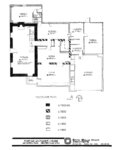
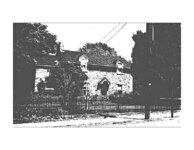
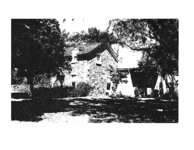
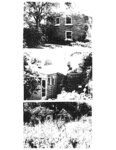
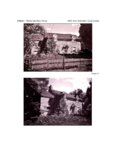
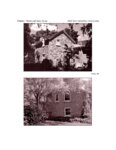
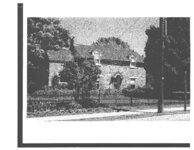
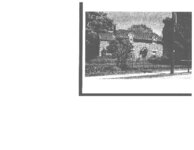
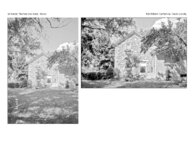
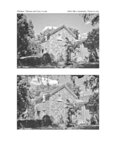
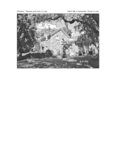
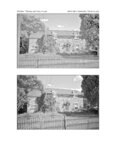
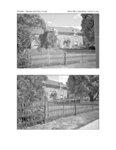
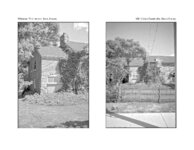
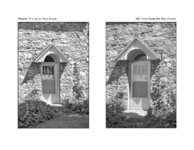
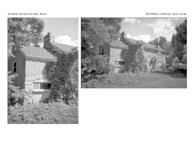
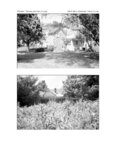
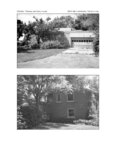
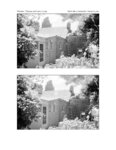
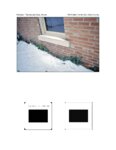
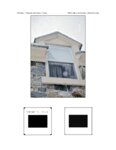
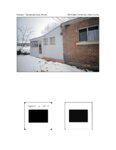
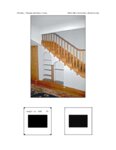
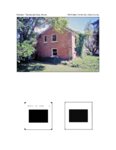
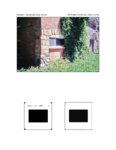
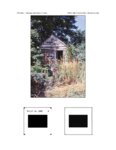
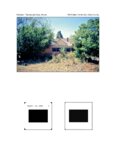
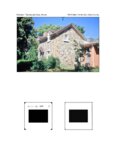
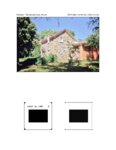
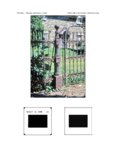
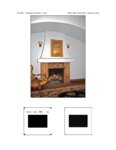
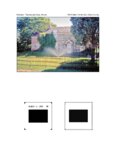
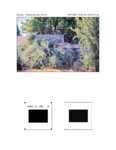
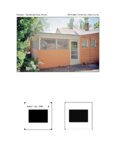
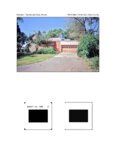
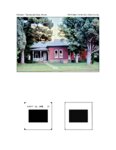
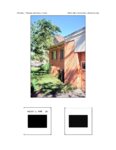
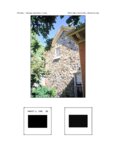
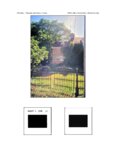
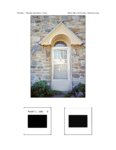
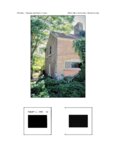
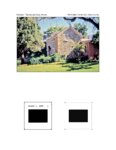
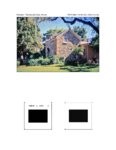
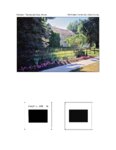
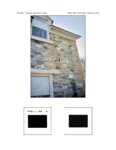
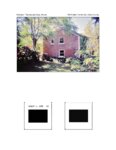
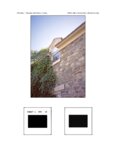
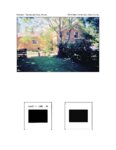
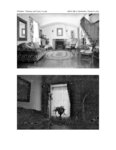
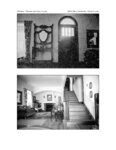
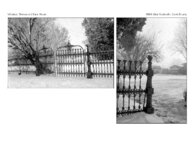
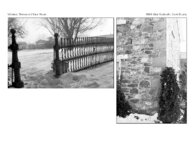
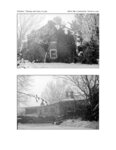
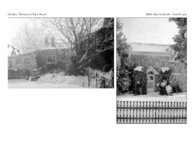
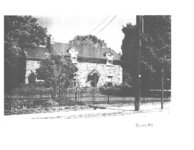
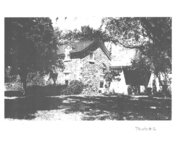
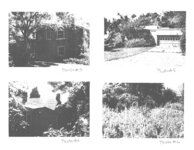
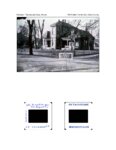
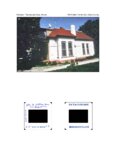
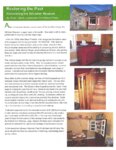
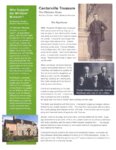
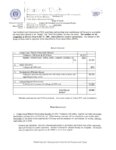
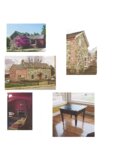
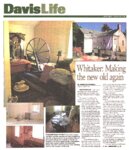
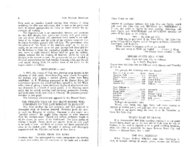
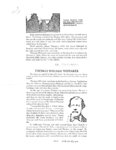
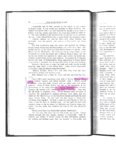
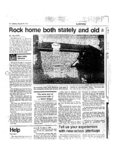
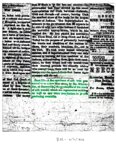
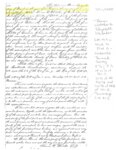
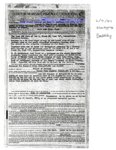
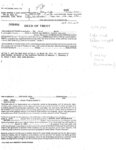
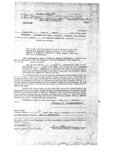
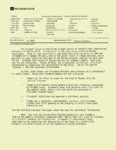
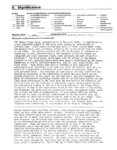
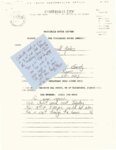
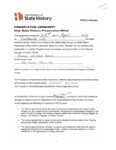
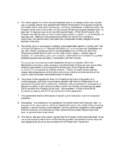
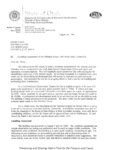
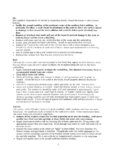
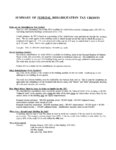
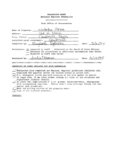
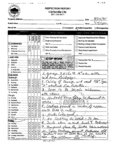
Show II SIGNIFICANCE PERIOD AREAS OF SIGNIFICANCE -- CHECK AND JUSTIFY BELOW _ PREHISTORIC -A RCHEOLOGY-PREHISTORI C _C OMMUNITY PLANNING _ LANDS CAPE ARCHITE CTURE _ RELIGION _ 1400 - 1499 -A RCHEOLOG Y-HISTORIC _ CONSERVATION _ LAW _ SCIENCE _ 1500- 1599 -AGRICULTURE _ ECONOMICS _ LITERATURE _ SCULPTURE _ 160 0 - 16 99 JkRCHITECTURE _EDUCATION _ MILITAR Y _ SOCIA U HUMANITARIAN _ 1700- 1799 -A RT _ ENGINEERING _MUSIC _ THEATER 1180 0 - 1899 _COMMER CE _ EX PLORA TI ON/ SETTLEM ENT _ PHILOSOPH Y _ TRANSPORTATIO N _ 1900- _ COMMUNICATIONS _ INDUSTR Y _ POLITICS/ GOVERNMENT _ OTHER (SPECIFY) _INVENTION SPECIFIC DATES ca 1862 BUI LDERI ARCH ITECT Thomas Whita ker STATEMENT OF SIGNIFICANCE The original house is one of the pioneer houses of northern Utah constructed primarily of native stone . It was Duilt in the very early period of Mormon settlement. There is some indication it may have been built as early as 1862 for Elizabeth Mills Oakden Whitaker, one of the plural wives of Thomas Whitaker , which was only 15 years after the earliest of the Mormon pioneers reached the Salt Lake Valley. Although rock houses of the period are all somewhat similar, each also has its own uniqueness. Thomas Whitaker was a carpenter and builder, and either constructed or supervised the construction of the house. One of its special features is the red sandstone cornerstones . Further, both Thomas and Elizabeth Whitaker were pioneers with achievements of significance. Among their accomplishments are the following: Thomas was the first to translate the Book of Mormon into the Tahitian language. Thomas and Elizabeth raised mulberry trees and silkworms, encouraged by Brigham Young. Elizabeth "made silk neckties and a silk scarf of the natural color, also a silk vest which was presented to President Brigham Young. II Elizabeth established and operated a millinery business. Thomas was a carpenter, cabinetmaker, musician, and nurserman. A prune tree still growing on the property is said to have been planted by him. See the enclosed excerpts from books about the area for additional information. When I met with the Centerville Planning Commission last November, some of the members informally expressed their desire that this house be retained as a historic landmark for Centerville . A request is concurrently being submitted to the Commission for designation of the house as a Centerville historic site under Chapter 21 of the Centerville Zoning Ordinance. |