| OCR Text |
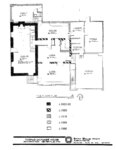
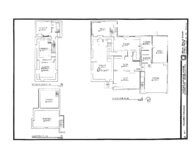
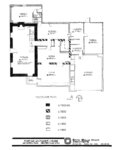
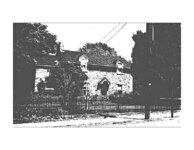
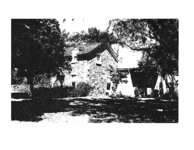
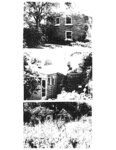
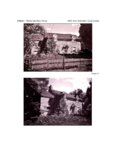
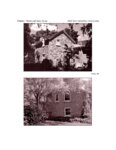
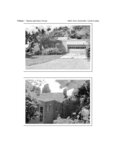
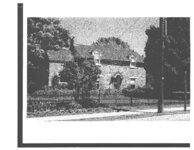
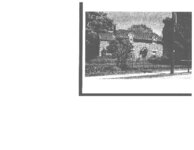
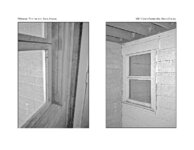
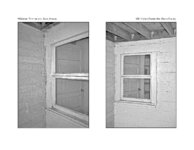
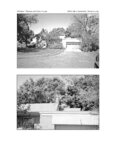
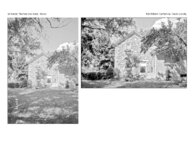
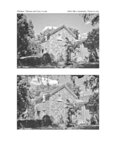
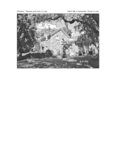
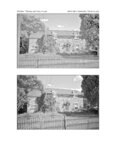
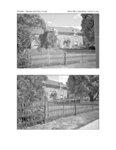
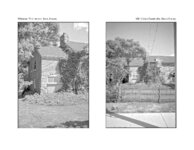
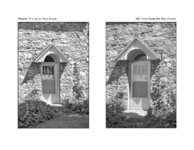
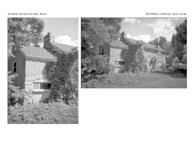
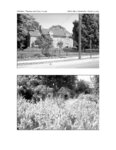
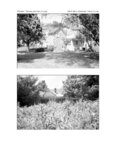
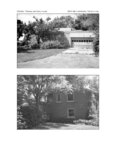
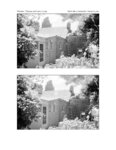
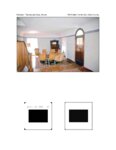
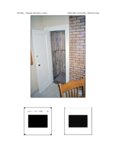
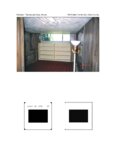
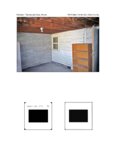
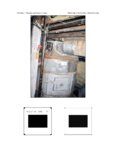
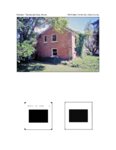
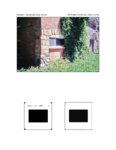
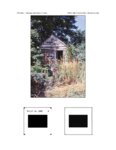
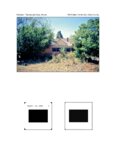
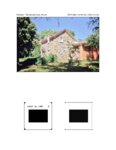
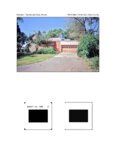
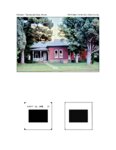
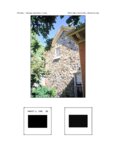
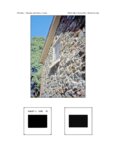
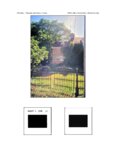
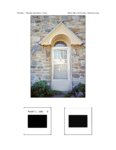
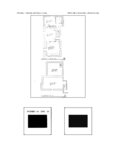
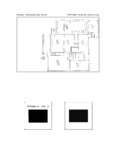
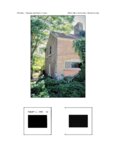
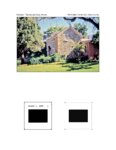
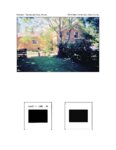
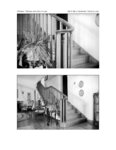
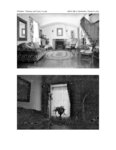
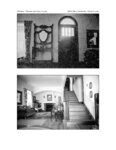
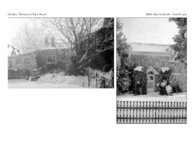
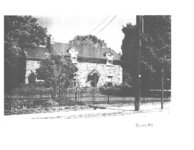
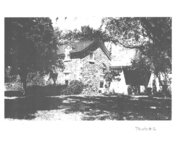
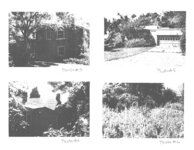
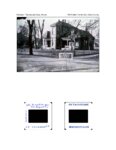
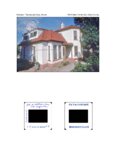
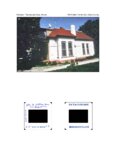
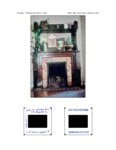
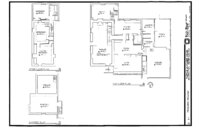
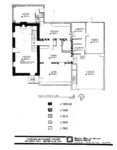
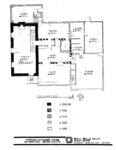
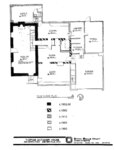
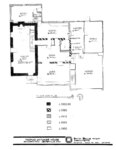
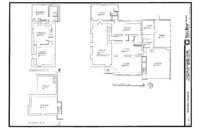
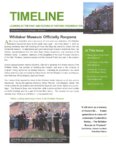
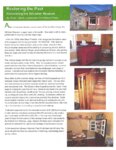
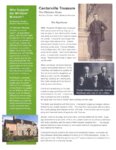
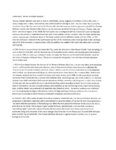
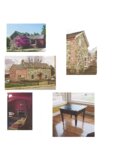
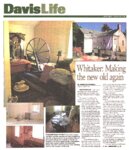
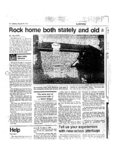
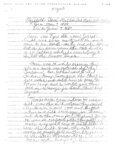
Show After a three-year closure, a crown jewel of Centerville's history, the Whitaker Museum, is again open to the public. Now visitors will be transported back to our city's pioneer beginnings. In the mid-1990s, then Mayor Priscilla Todd recognized the historic value of this property and the city purchased it for $250,000. After Spencer Packer did some initial volunteer work on the home, Clara and Vern Goudy became caretakers of the building for preserving pioneer artifacts and records. When Melissa Hogan became Museum Director, she and the Museum Board promoted the idea of restoring the home to a more historic condition . This process began with the removal of a garage and some storage areas which had been added in the 1950s. After the receiving much needed grant funds from the State History Department, other donations, city revenues and services from volunteers and city employees , work began in earnest. First the roof was replaced and contractor Michael Mahaffey reconstructed the east portion of the original building . Next, aided by the volunteer design services of Fred Campbell and Kent Holbrook, Randy Randall's team began the interior work. The city hired four local contractors to do the carpentry (seismic) , electrical, plumbing and mechanical work. The Museum Board spearheaded the interior finish projects utilizing the expertise of many individual volunteers who provided services such as painting, installing light fixtures, sewing curtains, donating plumbing services, finish work and cleaning. Businesses offered services at reduced rates and in many cases provided free services. Eagle Scout projects included such items as building and painting the dry sink, the construction and painting of benches for the education room , refurbishing of the front door and creating a beautiful brick walkway. Total cash expenditures for the renovations were $181,000 but the value of other labor by volunteers exceeded $50,000 and that by city employees is estimated at $25 ,000 to $50 ,000. In the near future the board plans to begin the renovation of the carriage house which was added to the home in the 1920s by Judge Thomas Whitaker and to enhance the grounds to represent the agricultural heritage of South Davis County. In the meantime, Museum Historian Paul Smith feels the Whitaker Museum will achieve three key objectives of informing , entertaining and inspiring visitors. |