| OCR Text |
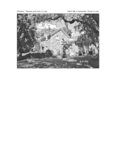
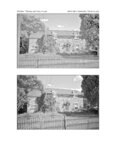
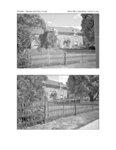
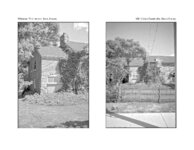
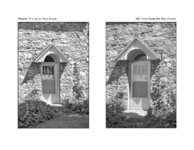
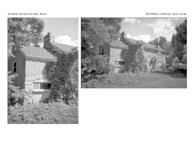
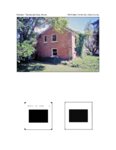
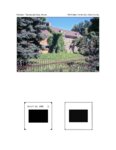
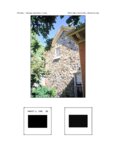
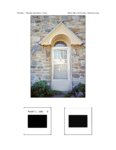
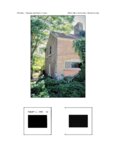
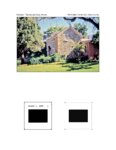
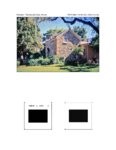
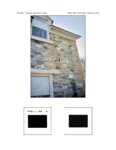
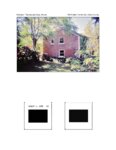
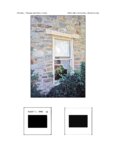
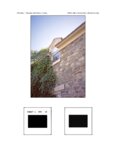
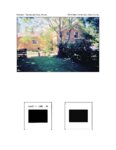
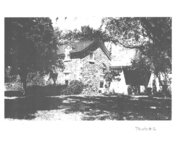
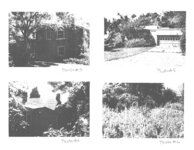
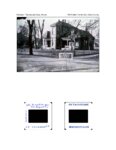
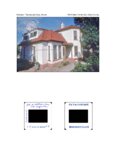
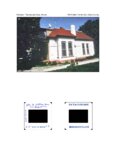
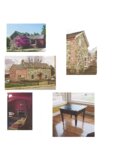
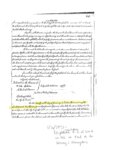
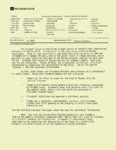
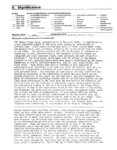
Show NPS Form 10-900-. O!1B No . 10024-0018 utah WordPer fect S.1 Format (Rev1Sed Feb . 1993) United States Department of the Interior National Park Service National Register of Historic Places Continuation Sheet Section No. ~ Page ~ Whitaker, Thomas and Elizabeth Mills, House, Centerville, Davis County, UT Centerville, and Bountiful all used stone extensively in the construction of houses, mills, granaries, fences, and culverts. Stone was obtained from dry creek beds and the rock benchland. The stone houses built during the period from the 1860s through the 1880s were some of the largest and most permanent homes built in Centerville. Few of the log or adobe houses have survived, and only about two dozen stone buildings remain, most of which are located on the blocks of the old section of the city. Thomas and Elizabeth Whitaker settled in Centerville just after they were married in 1858. They first lived in a one-room log cabin for approximately one-and-a-half years before Thomas began work on an adobe brick house. After living there for four years, during which time three children were born, Thomas began building a stone addition to accommodate the quickly growing family. The roof of the house was damaged, however, by a storm, and they began building a new house farther west and closer to the road, where Elizabeth had wanted the house to be all along. 6 According to Elizabeth's biography, Charles Duncan and his sons were hired to construct this house about 1862. The house took approximately four years to build, and Thomas did the carpentry work. 7 Most of the stone houses constructed in Centerville during the 1860s and 1870s are attributed to the Duncan family, who also built stone culverts, bridges and outbuildings. Charles Duncan was born in Dysart, Fifeshire, Scotland in 1823 and learned his stone cutting and masonry skills working in that country. After converting to Mormonism he and his family emigrated to the United States and arrived in Utah in 1853. He farmed an eleven-acre parcel of land but as his masonry skills became more appreciated he devoted more time to his construction business. He worked on the Salt Lake Temple for many years, and as local history states, he used granite left over from the temple construction for the quoins seen on many of his Centerville houses.B The quoins on the Whitaker house however are sandstone chosen by Elizabeth who reportedly saved money from the sale of eggs to pay for the extra expense.9 Thomas Whitaker was born in Rotherhithe, Surrey, England, in 1816. After being at sea for four years, he lived on the island of Tahiti and in 1837 married a woman named Tuana. She died of smallpox, however, soon after their marriage. While there, Thomas became guardian to the daughter, Annie, of a friend who also died of smallpox; eventually Annie lived with the Whitakers in 6 Miles, Nora Whitaker Barber. The Biography of Elizabeth Mills Oakden Whitaker. Published by the author, 1986, pp. 235-235 . 7 Ibid , p. 235 . 8 Smoot, Mary ElJen Wood and Marilyn FulJmer Sheriff. The City In-Between. Bountiful, Utah : authors, 1974) , p. 207 . 9 Information provided by Karla Uffens , Centerville Historic Preservation Commission, on file at Utah SHPO. ~ See continuation sheet |