| OCR Text |
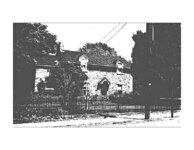
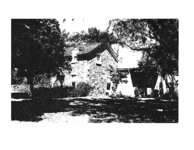
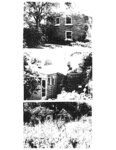
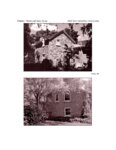
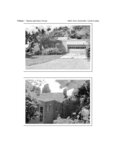
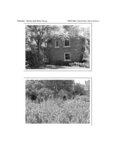
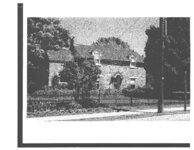
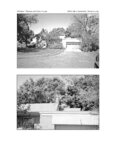
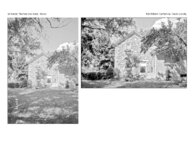
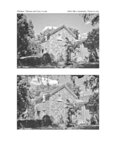
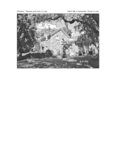
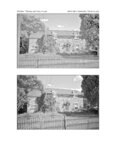
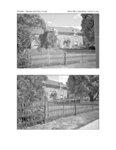
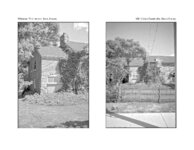
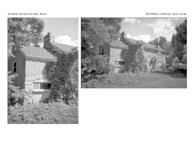
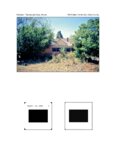
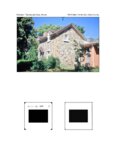
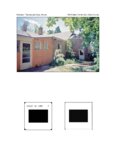
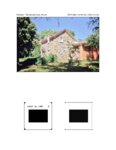
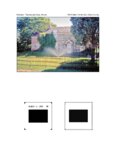
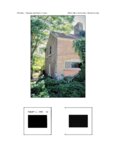
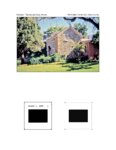
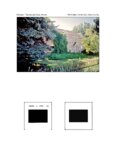
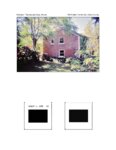
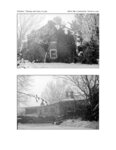
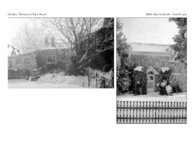
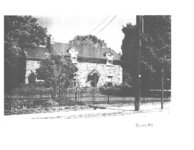
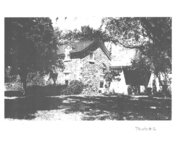
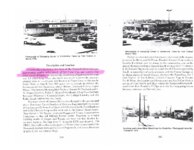
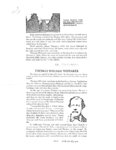
Show The old Co-op became a 'Iumberyard and served the public in this capacity lor many years. In 1974 it was rebuilt and became "The Lumberyard Restaurant." Now owned by Floyd Hollingshead. Today this store is the Lumberyard Restaurant and Ice Cream Parlor, owned and operated by Floyd Hollingshead and his son. For a period of time the Clevelands owned a store in their home. They used to serve homemade ice cream and refreshments. William Linge Sr . started a store in his basement, where he served the public for several years. Then he put a log cabin on the lot by his home and had that store until he passed away. He also had an old Model- T Ford Truck to deliver the groceries and meat from his store to nearby homes in the village. Broom corn was grown by the natives of Centerville to make brooms, and flax was grown for making cord and rope and to spin into linen. Cotton was tried; however, it was soon discovered that the seasons were not long enough and the church leaders assigned cotton to be raised in the southern part of the state . Henry Rogers Cleveland became a stone hewer. While he was working at this profession on the Salt Lake Temple a flying fragment of rock flew into his eye causing him to lose the sight of one eye. He also shaped the corner rocks for the Centerville meetinghouse. In later years he would weave strong baskets of willows, supplying the housewives of Cen terville with long-wearing clothes baskets. T homas Whitaker was also a pioneer nurseryman in Centerville . In the spring of 1872 Mary An n Harmon had 12 wa lnut trees, 12 almond, 2 fig and 12 quince trees, as well as grapevines sent in by express from Knights Landing on the Sacramento River in California. Samuel Smith was known as a Nurseryman for many years and started Smith Bro's Nursery, also P. A. Dix Co. Porter-Walton Seed Company was started and is still a very prosperous business. (34) Anson Call of Bountiful built the "Old Mill" about 1854, not Ion! after Centerville was first settled. An article that appeared iF1' .th( Centerville Newse/le in May 1944 states : " In those days a community like this was pretty much self. sustaining and the mill was built to take care of the grain crops of rhl local farmers. It was a grist mill and the people would bring their grair to be chopped or made into flour, and then the miller would retain i portion of it as his pay. "It was a three-story building with the machinery on the top floor The power was furnished entirely by water from Deuel Creek whict was run into two mill ponds, a large one and a smaller one for run-off The larger pond, by the way, was also the baptismal font for many 01 the older folks around here." .. .r , .. . - . .\ -t. ' ,"~ (" 'i.-tt ~. •• ; . • • •0 , !' ,. The Old Mill .. ' . .\ /'. . : .. "'( .,I ~ \ Some of the millers were: Mr. Southworth, Mr. Symns, Mr. Winn, Mr . McKinney, Mr. Williams, and Mr. Miller. There was a period of time that the mill was idle but Alwood Brown took it over in 1890. He renovated it and put in new machinery. At that time Henry Cleveland's father did the big job of shingling the roof. In the article in the Newseffe it said that after Mr. Brown left, the mill was run by Mr. Everett, Mr. Hancock and finally by Jim Brown. The mill was taken down in 1944. At one time Mr. Everett ran a wholesale bakery in the basement of the mill and drove a bakery wagon a ll over Davis County. The young people thought it a very romantic spot and often walked to the mill to throw pebbles in the pond. (35) |