| OCR Text |
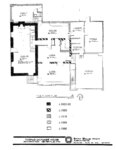
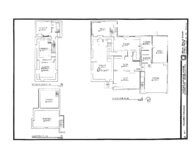
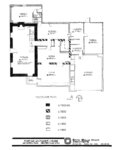
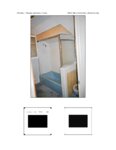
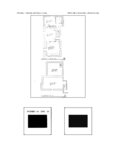
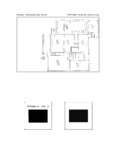
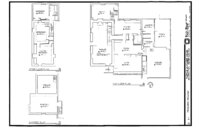
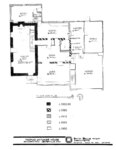
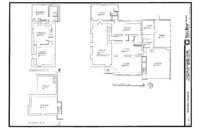
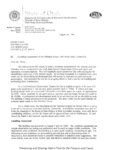
Show other electrical equipment currently in the family room closet. This room could also be returned to a c. 1910 kitchen style that would match when this addition was built. Either option is acceptable according to the Standards. 23. c. 1910 GARAGE INTERIOR: I would further suggest the changes shown here to the garage Interior. Removal of this small bathroom (with replacement in the c. 1950 addition) and changing the stair and headroom will remove some key impediments to accessing the space and using it as a true carriage house. The current access from the kitchen to the garage is truly dangerous and these changes would take away that liability as well as provide a more comfortable tour. 24. THE UPSTAIRS BATHROOM: I believe that this may be how this area was originally configured. Taking some of the space from this modern bathroom to restore the head clearance for the stair below will improve the safety and access from the kitchen to the garage. This room could then be returned to the c.1910 bathroom by adding a claw foot tub, pedestal sink, and restoring the exterior window. Eliminating the toilet area will not compromise the room since an outhouse would have been used at that time period and the original bathroom would not have had a toilet. Eliminating this toilet and the one below with the addition of the new public restrooms in the c. 1950 wing will better serve the museum patronage and staff and also reduce the chance of flooding possibilities in this portion of the building. If desired, the water to the tub and sink could be turned off as well or left on for cleaning purposes. 25. INSULATION: If insulation has been placed in the attic areas then proper ventilation must be added both at the eaves and at the ridge. Without ventilation, the stark transition from cold to warm can cause moisture to build up and may cause rot to the roof structure. Vents can be installed underneath existing eaves and insulation must be pulled back to allow air to flow through them. Turtle vents can be placed on the backside of the roof near the ridge or a ridge vent can be installed continuously along the ridges when new shingles are installed. This is also true for the lower pitched roofs but sometimes harder to achieve. Please consult a historic architect before installing any venting. These recommendations are based on the best knowledge that the architect can gain from looking at finished walls, floors and roofing, etc. When any project is undergone after removing some of the materials unknown conditions may be discovered and should be considered for adjustments to this plan. Document what is found with photos and measurements then seek advice from a historic architect. I hope this information along with the cost estimates will help you in forming your preferred priorities in preserving this important Centerville landmark. Sincerely, Rod T Mortensen, Architect 5 |