| OCR Text |
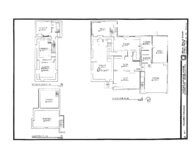
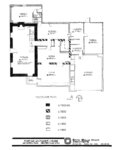
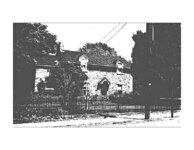
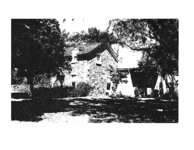
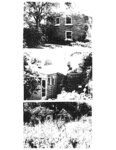
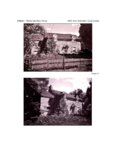
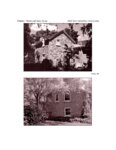
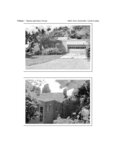
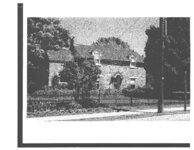
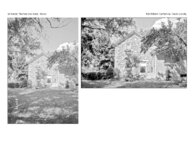
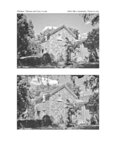
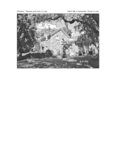
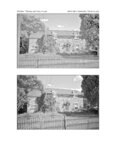
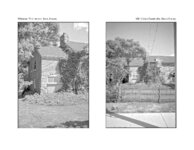
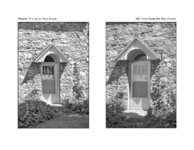
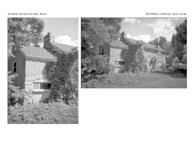
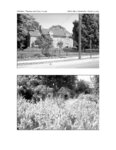
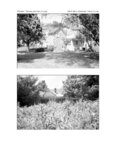
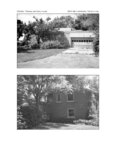
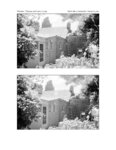
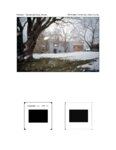
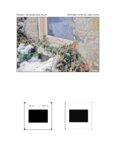
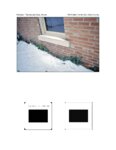
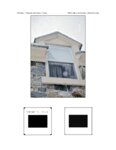
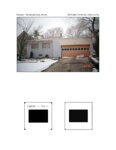
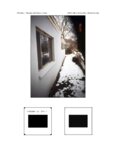
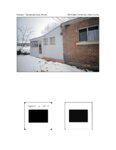
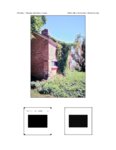
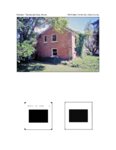
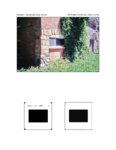
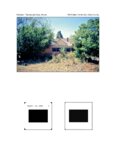
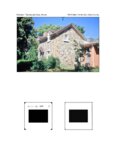
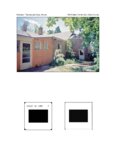
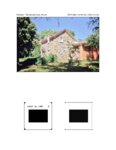
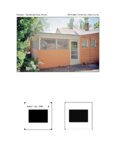
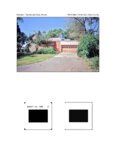
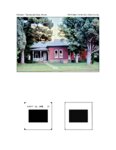
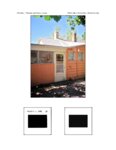
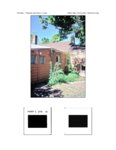
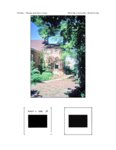
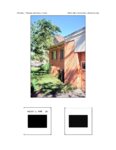
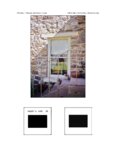
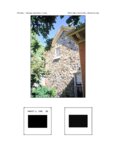
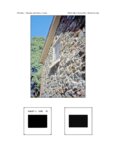
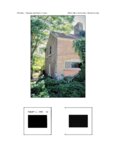
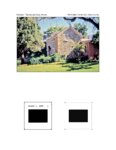
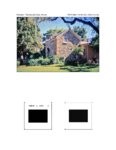
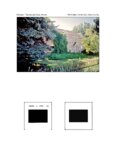
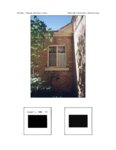
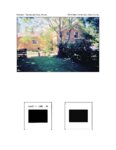
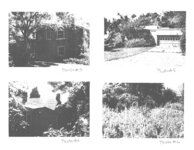
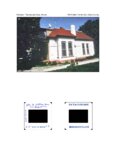
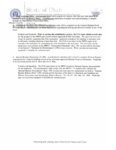
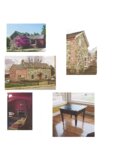
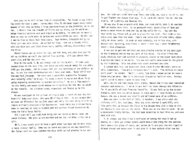
Show 17. BRICK : The brick on this structure is in good condition. Watch the mortar over time and when needed repoint with the proper mortar mix. Mortar that is too hard or too soft can cause severe brick damage. Avoid the temptation to use any coatings as these too can cause brick damage by holding in moisture that needs to be released. If brick damage develops then a "breathable sealer" would be the appropriate treatment. Any brick that has been painted and is exposed to the elements should remain painted or removed with a recommended chemical remover. Never use a power wash or sandblast or use any other pressured removal on brick or wood exterior sidings or details. 18. WOOD SIDING EAVES & DETAILS: Scrape and sand old paint as needed before applying new primer and paint. Avoid all pressurized removal methods and beware of so called "no maintenance" options such as liquid vinyl or stucco. No maintenance usually means "not reparable" and thus items such as this might have to be torn out and replaced and may mask unseen damage over time such as mold and rotting. 19. STUCCO: If the c. 1960 family room and garage remain then the stucco should wear well for a good period with minor maintenance such as painting when needed. If there is a problem In the future then a multiple hard coat system to match the existing is recommended - do not use a foam insulation backed stucco. INTERIOR: 20. THE FAMILY ROOM OR HALL: Removal of the cabinets, hallway separation, and closet on the north side of this room will create a more open meeting or teaching room more like its c. 1910 configuration. This will also accommodate larger groups as they tour Into the parlor and the kitchen. This will also allow access to the new bathroom from within the museum. The cabinets on the south wall can be maintained for storage or removed if the space Is needed. If the c. 1960 addition is maintained, new carpet or wood flooring could be cut to show the outline of the c. 1910 south wall and square bay window representing their former locations . This would provide a visual reference to the original structure for visitors when telling the story of the silk worms . If desired, a theater mockup of the window could be placed in this location for display and then moved aside for meetings. I would further suggest that plaster be maintained In the c. 1910 portion of this room while removing the plaster and / or wall board from the c. 1860 exterior wall on the west side of the c. 1960 room will allow the fieldstone and sandstone corners to be seen. If the c. 1960 addition did not badly damage this wall then this would allow an interior viewing especially for winter month tours and achieve some of the intentions of Option "B" without the higher costs and risks of demolition. 21. BASEMENT: The basement space will better serve the museum as dry, safe storage If: the garage entry is better protected; the basement windows are replaced with more efficient double paned windows; and the space is conditioned by the nearby furnace. Even in this situation it would be best to store items off the floor by using shelving or palettes. If Plan "B" is adopted then a basement access door must be built Into the hall floor or an exterior cellar-type access with stairs must be added to the new south wall either of which has its own set of challenges. 22. THE KITCHEN AND DINING: This area may be maintained in its current style to represent the c. 1950 time period with the small change of adding what will appear to be a broom closet in the southeast corner of the room. This closet would be used to house the computer network and 4 |