| OCR Text |
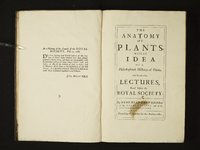
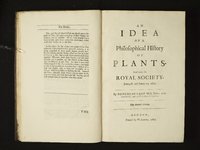
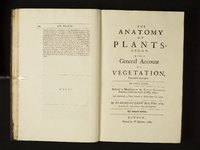
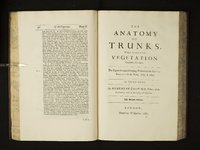
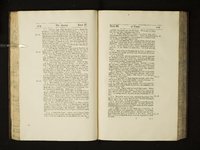
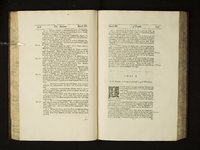
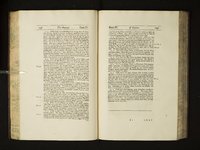
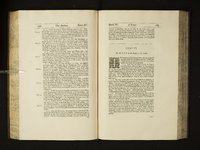
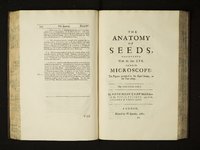
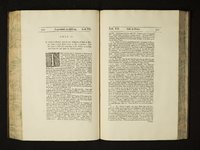
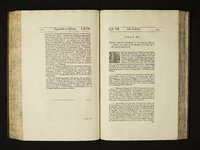
Show —_——_—- 192 Anatomy BookIV. 6. ¢§. The Coarlikewife, by ftanding betwixt the moyft Parenchyma and the Seed, andbeing hollow and fo filled with Aer5 doth much conduce to the ripening and drying of the seed, and its greater fitnefS both for keeping, and fowing. So the Parchment Lining of the Seed- Cafe, asin Hyofeyamus, &c. is anfwerable to a Coar. The Parenchyma ferveth, among{t other purpofes, for the ation of the Covers of the Seed; as in fome inftances hath been For whichintent, fometimes the Exterior Parenchyma, as in mons, fometimes the midlemoft, as in a Goosherry or Cucumer, is fubfervient ; both of them, in thofe Fruits, being more white and dry, thanthe reft, and fo fiter to make the Covers of the Seed. 8. §. The Parenchyma is alfo of ufe for the warmth of the Seed 5 asin the Seed-Cafe of Garden Radifh. Wherein, as it ripens the Parenchyma gradually drys, breaks, and fhrinks up into feveral foft Membranes, in which the Seeds, inthe Centre of the Ca/é,lie {wadled, as in fo manyfine Calico Clouts. 9. 1 SHALL conclude with obferving the Time of the Generation of the Fruit and Seed-Café. This hath hitherto been thoughtto be initiated upon the opening, I fay not,the forming,but the opening of the Flower, or not long before. Notwith{tanding which, what I have formerly faid of the Flower 5 I now dothelike, of the Uterus it felf; fe. That in very many Plants, ‘tis formed, with the Flower, the year before it appears and comestoits full Growth. As for inftance, in Azarum, not onlyall the Parts ofthe Flower, but the Userusit felf, and there in alfo the outer Cover of the Seed of anyoneyear, are perfectly formed in Axgu/? or September of the year foregoing. The like may be feen in Tulip, Mezereon, Corin, and many other Perenwial Plants. THE ANATOMY OF SEE D's, PROSECUTED With the bare EYE, And with the MICROSCOPE: The Figures prefented to the Royal Society, in the Tear 1677. The FOURTH PART. By NEHEM#AH G REW MD.Fellow of the ROYAL SOCIETY, and of the COLLEGE of PALSIE TANS. LONDON, Printed by W. Rawlins, 1682. Hh |