| OCR Text |
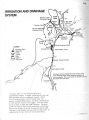
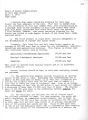
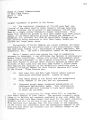
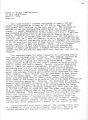
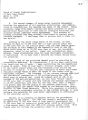
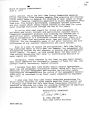
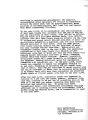
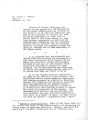
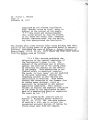
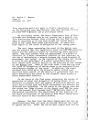
Show m resulting in undeveloped groundwater; (6) numerous, uncoordinated water agencies; (7) failure to adequately protect the water shed; and (8) mono-directional water policies of the Metropolitan, Salt Lake City and Central Utah Water Conservancy Districts. By the year 2,000, it is anticipated that the population of Salt Lake County will increase from 500,000 to 800,000 and the population of Utah County, from 165,000 to 250,000. Figures taken on a five-year average basis, from 1970-75, indicate that Salt Lake County annually diverts (in the form of surface and ground water) 625,000 acre-feet of water for agricultural, industrial & municipal use; but only consumes 508,000 acre-feet of this water. From the same period, Utah County annually diverts 395,000 acre-feet of water, but only consumes 220,000 acre-feet. Hydrologists and economists predict that by the year 2,000, the increasing populations of Salt Lake County will require 127,000 additional acre-feet of water per year and Utah County will require 43,000 additional acre-feet of water, assuming present water-use trends continue. However, population development trends will occur primarily on irrigated and dry farmland, freeing additional water for residential, commercial and industrial use. By the year 2,000, these trends are expected to reduce the irrigated farmland by 41 per cent, releasing an estimated 300,000 annual acre-feet of water. This 300,000 acre-feet of water coupled with the 202,00 acre-feet of water that is currently being wasted on an annual basis will more than accomodate the projected growth needs of 170,000 annual acre-feet by the year 2,000. After the year 2,000, population trends are expected to continue at 2 per cent per annum; however, irrigated farmland will continue to be put out of production also at the rate of 2 per cent per annum, releasing this water for municipal and industrial use. By using this freed irrigational water, plus undeveloped groundwater and more efficient use of existing surface and groundwater; Utah s ^ growth along the Wasatch Front, can be accomodated at least to the year 2050. Karl Heidenreich Utah State Conservation Chairman, Federation Of Fly Fishermen |