| OCR Text |
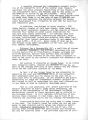
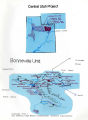
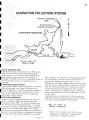
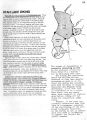
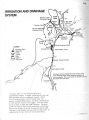
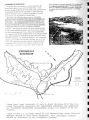
Show GOSHEN BAY DIKE Goshen Bay Dike will extend 5.4 miles from Lincoln Point in a northwesterly direction across Utah Lake. The dike will be a terraced earthfill structure which will allow for settlement in the foundation. It will have a maximum height above the lake bed of 30 feet and at crest elevation of 4,497 feet, it will be 20 feet wide and will require about 7,845,000 cubic-yards of embankment material. Riprap protection will be provided for both sides of the dike. The Goshen Bay area at the southern extremity of Utah Lake covers about 27,000 acres at compromise level, which is about one-fourth the surface area of the lake, and contains a storage capacity of 230,000 acre-feet. 1 An emergency outlet capable of passing a flow of 1,000 I second-feet will be constructed in the dike to permit lake watel to be spilled into the bay under extreme flood conditions. Lands in the Goshen Bay area are not suitable for i reclamation because of the heavy texture and the high salt | content of the soil. A State Wildlife Management area is being planned for the perimeter of Goshen Bay. This wildlife area, with a full water supply of about 24,000 acre-feet would make possible the mitigation of all losses of waterfowl hunting and ' habitat values in the Bonneville Basin portion of the unit. Both Provo and Goshen Bays have importance for their wetland wildlife. This wildlife includes ducks and shorebirds and^ other species - some associated with the Pacific flyway and Pelicans, for example, from the Great Salt Lake who fly south to feed on Utah Lake. Provo Bay provides rookery habitat for herons, cormorants and Ibis, for example. Some 5,000 - 6,000 Canada Geese feed on farmlands surrounding Goshen Bay. We will provide more exhaustive information on the fisheries and the marsh wildlife of Utah Lake, as well as on its limnology, in Part II of our Issues Paper. Meanwhile, we raise some questions*. - either about the prematurity of the Jordanelle Reservoir development or of the necessary Merry-Go-Round of agricultural development one place and withdrawal another. - in view of converting Provo Bay into agricultural lands when agricultural lands south of Provo Bay will lose their water rights to power development. - in view of the yet-to-be-completed 20 8 Water Quality Studies for Utah County in which available surface and ground water sources have yet to be determined. It is stated and rumored that there is a sizable underground aquifer in Utah County; and, that springs have not been studied for quantity and release into Utah Lake. Inasmuch as the 2 08 Water Quality Studies_carried out in Salt Lake County have been so productive in determining varieties of alternative water supply sources, other than CUP developed water, the question of putting the cart before the horse comes to mind. - Utah Lake was at one time a unique and unpolluted warm water Lake. Technologies exist today for restoring it. and preventing its low water level every 30 years,by methods other than here proposed. Past and present human and development practices need to be and can be # modified to protect this Lake. One serious pollutant is the increasing sedimentation from the high water_flows down Diamond Fork by Bureau of Reclamation activities. |