| OCR Text |
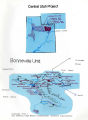
Show /&s~ Board of County Commissioners of Salt Lake County April 3, 1978 Page twelve B. The second element of sound water resource management involves the appraisal of all possible alternatives, and combinations of alternatives, for meeting the needs of the County. These solutions range from highly capitalized water projects or reclamation/ reuse facilities to less capital intensive solutions constructed around competent water management. This process of finding solutions has been entirely overlooked by current water resource managers. I challenge them to produce such a study (if one exists). Looking to the short range needs of the County, we must develop as much as 75,000 acre feet of high quality water and 15,000 acre feet of low quality water over the next twenty years. One solution to this demand is the Bonneville Unit of the CUP which could bring up to 70,000 acre feet of new, but incredibly expensive, water to our valley. Lower cost alternatives exist. However, these alternatives have not been thoroughly researched or publicized. It is here that I believe the County should focus it's attention. First, much of the projected demand could be satisfied by i conservation measures. By conservation, I do not mean restricting the beneficial use of water, I mean restricting the non-beneficial waste of water. Even in last year's critical drought, most lawns in the County stayed green and over-watering still filled the gutters on occasion. I believe that reduction of waste could make available enough water to meet the needs of the County with no additional projects. For instance, if our current average municipal and residential consumption of 225 gallons/person/day (40% of which goes to outside use) could be reduced only by 207o to an average of 180 gallons/person/day, we will have "found" nearly 35,000 acre feet of water and have reduced the maximum requirements to 40,000 additional acre feet for the year 2000, even if population growth adds 300,000 people to the present population. This is approximately the amount held unused by the Metropolitan Water District in Deer Creek Reservoir. While this approach is probably not an entirely acceptable solution to the current problem, it does indicate the potential for even minor improvements in efficiency in the municipal sector. Second, it is possible to further develop the groundwater resources of the County. The USGS has recently estimated that an additional 35,000 acre feet of high quality groundwater and 15,000 acre feet of industrial grade water could be developed on a firm annual basis over the 1965-1975 average annual yield. This figure does not include the potential yield of an additional |