| OCR Text |
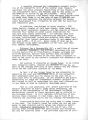
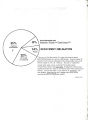
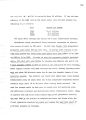
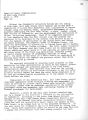
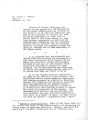
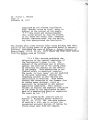
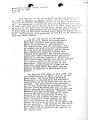
Show Ifol Board of County Commissioners of Salt Lake County April 3, 1978 Page eight I believe that water resources planning for Salt Lake County has been adequate in the past. That fact is exemplified by the occurences of this last summer when, with precipitation at a minimum, most of the residents of Salt Lake County were faced with only minor intrusions into their basic water use patterns. I also believe, however, that water resources planning for the future has failed to some degree in each of the three basic steps outlined above. A. The first element in sound water resource management is the determination of current and future needs. Currently, Salt Lake City and Salt Lake County require an average of 625,000 acre feet of water for all residential, municipal, industrial and agricultural purposes. This figure is broken down into individual sector uses as follows: . Agricultural & Stockwatering (agriculture) 340,000 acre feet . Municipal 6c Residential (municipal) 135,000 acre feet . Industrial 150,000 acre feet This water is derived from various sources and is of different levels of quality. Several factors should be kept in mind when analyzing current use patterns: (1) The Agricultural demands include irrigation of approximately 35,000 acres o^: land. Excluding the stockwatering use of nearly 35,000 acre feet of water, it is seen that irrigation diversions are slightly more than 300,000 acre feet or nearly 8.6 acre feet of water per acre of irrigated land. Even at an irrigation efficiency of only 50%, 35,000 acres of land should not command a diversion of more than 175,000 acre feet of water. The discrepancy of 125,000 acre feet is the difference between demands for water and needs for water. (2) The municipal use includes the use of treated water for culinary purposes in homes, for lawn watering, for parks and public buildings, in commercial establishments, and in light industry. This 135,000 acre feet serves an estimated 550,000 people in Salt Lake City and Salt Lake County at an average consumption rate of 225 gallons per capita per day. Fully 54,000 acre feet, or 40% of all the municipal water used is consumed by lawn watering. The municipal sector of the consumption pattern will undergo the |