| OCR Text |
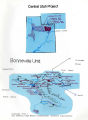
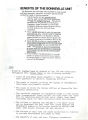
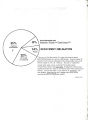
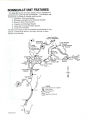
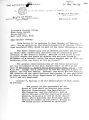
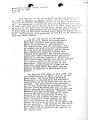
Show The Unit will develop about 313,000 acre feet of water for irrigation, municipal and industrial needs, and power production; and will provide recreation, fish and wildlife, flood control, water quality control, and area redevelopment benefits. The developed water supply will fulfill the project objective of supplying immediate and projected water needs. During the advance planning of the Bonneville Unit, some local individuals and sportsmen groups requested additional water for the conservation and development of fish and wildlife resources. Utah Department of Fish and Game originally made recommendations for water use to satisfy all the requests of the sportsmen groups, which would have diminished the unit's water supply for fish and wildlife purposes by 160,500 acre-feet, or about 52 percent of the unit's total planned water supply. Following extensive negotiations, a joint resolution was executed April 12, 1965, by the Utah State Department of Fish and Game and the Utah Water and Power Board with the Governor concurring thereby solving the water demand conflicts. ~~ ~~ This joint resolution was approved by the Central Utah Water Conservancy District and was accepted by the Bureau of Reclamation and the Bureau of Sport Fisheries and Wildlife. The resolution recommended the incorporation of several fish-wildlife, and recreation measures in the definite plan report. The project plan of development was modified to comply with the recommendations contained in the resolution including a recommended 6,500 acre-feet of water to augment minimum stream flows in Rock Creek and Strawberry River for fishery purposes. This resolution was incorporated in the 1964 Definite Plan, which in turn served as a basis for the repayment contract executed by the Central Utah Water Conservancy District and the United States. At the time the resolution was adopted, it was recognized that there was not sufficient water to meet all demands. The State of Utah accepted the responsibility of choosing among the alternatives and determined where the limited supplies were to be used. An agreement dated September 20, 1965, among the Ute Indian Tribe, the Central Utah Water Conservancy District, and the United States acting through the Bureau of Indian Affairs and the Bureau of Reclamation recognized the first priority of Indian water rights and provided for the deferment of certain of these water rights. "The agreement permitted construction of the Central Utah Project without objection from the Ute Tribe or the Bureau of Indian Affairs. It was agreed that irrigation of certain undeveloped Indian lands would be deferred until development of the ultimate phase of the Centra! Utah Project. It was further agreed that the year 2005 would be the maximum date of deferment, or equitable adjustment would have to be made to permit the immediate Indian use of water so deferred. It was further agreed that facilities would be provided to mitigate for losses to fish, wildlife, and recreation upon the lands owned by the Ute Indian Tribe. The mitigation would include: (1) a minimum of 25 second-feet of water in Rock Creek at the Indian reservation boundary; (2)waterfowl management areas to be established along the Duchesne River; and (3) fishing lakes aggregating approximately 800 surface acres to be constructed on Indian-owned lands for fishery and recreation purposes. |