| Title |
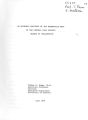
Issues Paper, Central Utah Project |
| Description |
Major publication compiled by Dorothy Harvey for the Citizens for a Responsible Central Utah Project; From The Dorothy Harvey papers (1902-2005), a collection of materials focusing on the Central Utah Project (CUP), a water resource development program to use Utah's alloted share of the Colorado River. Includes correspondence, Harvey's writing drafts and notes for an unpublished book on the CUP, federal documents, project litigation materials, subject files, news clippings, newsletters, programs, brochures, and maps. |
| Subject |
Central Utah Project; Rivers--Environmental aspects--Utah; Water resources development --Environmental aspects--Utah; Irrigation--Environmental aspects--Utah; Water-supply--Utah--Salt Lake County |
| Creator |
Harvey, Dorothy |
| Contributor |
Citizens for a Responsible Central Utah Project; Power, Thomas M.; Hughes, Trevor C.; Van Dam, R. Paul |
| Alternate Title |
Economic analysis of the Bonneville Unit of the Central Utah Project, Bureau of Reclamation; Feasibility of accelerating construction of the Central Utah Project; Water resources of Salt Lake County: an alternative view |
| Additional Information |
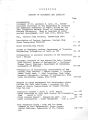
Includes as parts of this work: An economic analysis of the Bonneville Unit of the Central Utah Project, Bureau of Reclamation, by Thomas M. Power (68 p., June 1978); Feasibility of accelerating construction of the Central Utah Project, by Trevor C. Hughes, L. Douglas James, Frank Haws, C. Earl Israelsen (27 p., Jan. 16, 1978); Water resources of Salt Lake County: an alternative view, by R. Paul Van Dam (19 p., April 3, 1978); Interim report on CUP Bonneville Unit by R. Paul Van Dam (7 p., July 5, 1977); Statement of Gerald Kinghorn, Salt Lake Asst. Co. Attorney (7 p., 1977); Letter of R. Paul Van Dam to Arthur L. Monson (15 p., Nov. 18, 1977) |
| Spatial Coverage |
Colorado River Basin (Colo.-Mexico); Duchesne River (Utah); Uinta Mountains (Utah); Uinta Basin (Utah and Colo.); Rock Creek (Duchesne County, Utah); Lower Stillwater Reservoir (Utah); Upper Stillwater Reservoir (Utah); Bottle Hollow Reservoir (Utah); Starvation Reservoir (Utah); Currant Creek Reservoir (Utah); Jordanelle Reservoir (Utah); Strawberry Reservoir (Utah); Utah Lake (Utah); Utah County (Utah); Salt Lake County (Utah); Duchesne County (Utah) |
| Collection Number and Name |
Accn2232 bx 58 fd 5; Dorothy Harvey papers |
| Rights Management |
Digital Image Copyright 2009, University of Utah. All Rights Reserved. |
| Holding Institution |
J. Willard Marriott Library, University of Utah |
| Date |
1978 |
| Digitization Specifications |
Original scanned on Epson Expression 10000 XL and saved as 400 ppi TIFF. Display image generated by CONTENTdm. |
| Publisher |
Digitized by J. Willard Marriott Library, University of Utah |
| Type |
Text |
| ARK |
ark:/87278/s6cc0zmc |
| Setname |
wwdl_neh |
| ID |
1149704 |
| Reference URL |
https://collections.lib.utah.edu/ark:/87278/s6cc0zmc |
| Title |
Page 51 |
| Setname |
wwdl_neh |
| ID |
1149539 |
| OCR Text |
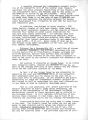
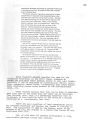
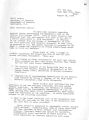
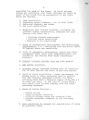
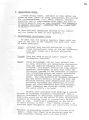
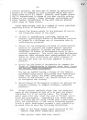
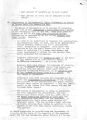
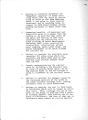
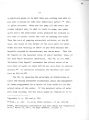
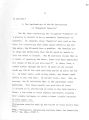
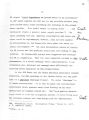
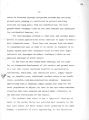
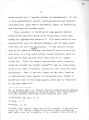
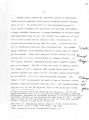
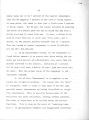
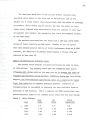
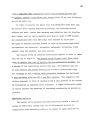
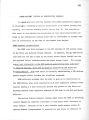
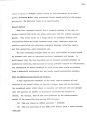
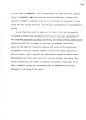
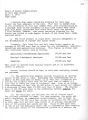
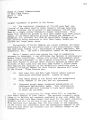
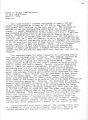
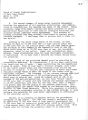
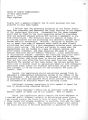
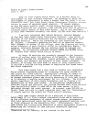
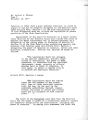
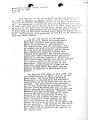
Show 11. X. At the projected point of completion, what will be the actual allocation of the Project's water among users including the Ute Tribe? Please identity each entity i.e., water user association, industry, conservancy district. The following questions deal with policy and issues of authorization of Bureau of Reclamation water development-purposes. XI. Army Corps of Engineer Permits At the present time, the Central Utah Water Conservancy District and the local office of the Bureau of Reclamation are refusing to file for 40 4 Dredge and Fill Permits. They are refusing to do so on the Bonneville Unit and on the planned Uintah Unit. Is this acceptable? XII. Mai-Appropriation of Section 8 Funds At the present time, it is planned to use Section 8 Funds to pay for Bottle Hollow Reservoir, Lower Stillwater Reservoir, wildlife areas along the Duchesne River and the transfer to the Ute Tribe of Midview Reservoir. It is claimed that these facilities are mitigation measures and thus qualify for Section 8 Funds. However, a careful reading of the 19 5 5 Deferral Agreement, as presented in the Bonneville EIS leads one to question this._ It appears from reading this document that these facilities are not mitigation measures, but represent a payment to the Ute Indian Tribe, for use of their water from 1965 to the year 2,005, a payment to- rent their water for 40 years. Through manipulations of the local Bureau of Reclamation officials and Central Utah Water Conservancy officials, the Federal government has assumed this expense as a non-reimbursable expense of the^Bonneville Unit. We are concerned that this transaction be examined and a determination made whether or not thisi/ater rental payment qualifies for Section 8 Funding. If^it is determined that these funds have been misappropriated, this raises the question of official misconduct. XIII. The Overall Direction of Bureau of Reclamation Policies • Historically, one has the belief that the Bureau of Reclamation sjas created to promote agricultural expansion in rural areas of the arid west and to aid economic expansion in these economically depressed areas. Analysis of Breau planning and spending shows how far the Agency has departed from these earlier mandates. Much Bureau" spending is concentrated in large, complex projects, now called multi-purpose projects, serving urban areas of the west. Agricultural water is gradually having less and less money appropriated for it. In fact, under |
| Reference URL |
https://collections.lib.utah.edu/ark:/87278/s6cc0zmc/1149539 |