| Title |
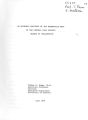
Issues Paper, Central Utah Project |
| Description |
Major publication compiled by Dorothy Harvey for the Citizens for a Responsible Central Utah Project; From The Dorothy Harvey papers (1902-2005), a collection of materials focusing on the Central Utah Project (CUP), a water resource development program to use Utah's alloted share of the Colorado River. Includes correspondence, Harvey's writing drafts and notes for an unpublished book on the CUP, federal documents, project litigation materials, subject files, news clippings, newsletters, programs, brochures, and maps. |
| Subject |
Central Utah Project; Rivers--Environmental aspects--Utah; Water resources development --Environmental aspects--Utah; Irrigation--Environmental aspects--Utah; Water-supply--Utah--Salt Lake County |
| Creator |
Harvey, Dorothy |
| Contributor |
Citizens for a Responsible Central Utah Project; Power, Thomas M.; Hughes, Trevor C.; Van Dam, R. Paul |
| Alternate Title |
Economic analysis of the Bonneville Unit of the Central Utah Project, Bureau of Reclamation; Feasibility of accelerating construction of the Central Utah Project; Water resources of Salt Lake County: an alternative view |
| Additional Information |
Includes as parts of this work: An economic analysis of the Bonneville Unit of the Central Utah Project, Bureau of Reclamation, by Thomas M. Power (68 p., June 1978); Feasibility of accelerating construction of the Central Utah Project, by Trevor C. Hughes, L. Douglas James, Frank Haws, C. Earl Israelsen (27 p., Jan. 16, 1978); Water resources of Salt Lake County: an alternative view, by R. Paul Van Dam (19 p., April 3, 1978); Interim report on CUP Bonneville Unit by R. Paul Van Dam (7 p., July 5, 1977); Statement of Gerald Kinghorn, Salt Lake Asst. Co. Attorney (7 p., 1977); Letter of R. Paul Van Dam to Arthur L. Monson (15 p., Nov. 18, 1977) |
| Spatial Coverage |
Colorado River Basin (Colo.-Mexico); Duchesne River (Utah); Uinta Mountains (Utah); Uinta Basin (Utah and Colo.); Rock Creek (Duchesne County, Utah); Lower Stillwater Reservoir (Utah); Upper Stillwater Reservoir (Utah); Bottle Hollow Reservoir (Utah); Starvation Reservoir (Utah); Currant Creek Reservoir (Utah); Jordanelle Reservoir (Utah); Strawberry Reservoir (Utah); Utah Lake (Utah); Utah County (Utah); Salt Lake County (Utah); Duchesne County (Utah) |
| Collection Number and Name |
Accn2232 bx 58 fd 5; Dorothy Harvey papers |
| Rights Management |
Digital Image Copyright 2009, University of Utah. All Rights Reserved. |
| Holding Institution |
J. Willard Marriott Library, University of Utah |
| Date |
1978 |
| Digitization Specifications |
Original scanned on Epson Expression 10000 XL and saved as 400 ppi TIFF. Display image generated by CONTENTdm. |
| Publisher |
Digitized by J. Willard Marriott Library, University of Utah |
| Type |
Text |
| ARK |
ark:/87278/s6cc0zmc |
| Setname |
wwdl_neh |
| ID |
1149704 |
| Reference URL |
https://collections.lib.utah.edu/ark:/87278/s6cc0zmc |
| Title |
Page 167 |
| Setname |
wwdl_neh |
| ID |
1149655 |
| OCR Text |
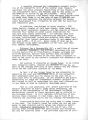
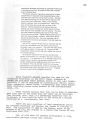
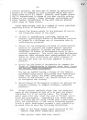
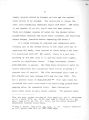
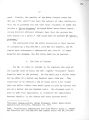
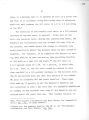
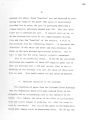
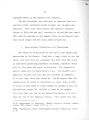
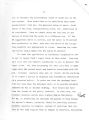
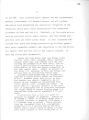
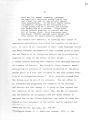
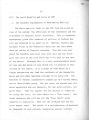
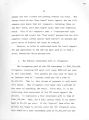
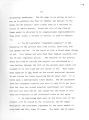
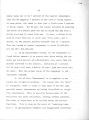
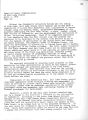
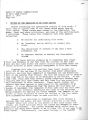
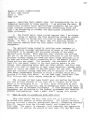
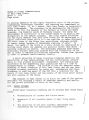
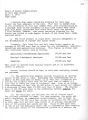
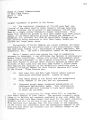
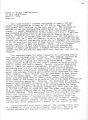
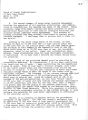
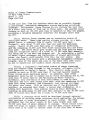
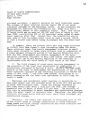
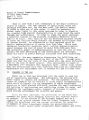
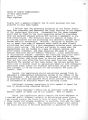
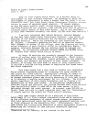
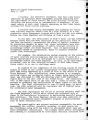
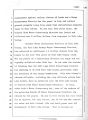
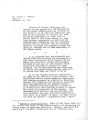
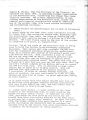
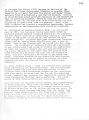
Show /Go Board of County Commissioners of Salt Lake County April 3, 1978 Page seven by placing emphasis on the highly desirable units of the project, eliminating unnecessary features, and removing any commitment to Salt Lake County, if, as I assert, Salt Lake County is potentially water independent. The resources to be developed by the Project could go to fill the demands of the farmers in Carbon and Emery Counties, the domestic needs of Duchesne County, the needs for development of electricity in the Uintah Basin or to fulfill the obligations to our Indian citizens. The total supply situation for the State demands that Salt Lake County not be encouraged to import additional water while it's own supplies go under-utilized, and other areas of the State lose agriculture, restrain growth, or import energy because of inadequate supplies of water. In short, the needs of the State as a whole should be considered by I putting water where the demands are greatest rather than where | existing supplies go wasted. The knowledge obtained from recent hydrologic studies should be coupled with the flexibility of the CUP in order to improve efficiencies statewide, rather than ignored in order to promote inefficiencies locally. A major objective of water resources planning should be the exploration of new understandings and new technological achievements so that planned development, management, and construction activities do not degenerate into liabilities due to a lack of responsiveness to change. The failure to use the improved understanding of water resources of Salt Lake County and the new technologies becoming available for water use, reclamation and reuse, threatens to turn the asset of the CUP into a liability for the people of Salt Lake County and the people of the truly water scarce and arid regions of the State. The purpose of this report is to point out some of the options available for insuring a supply of adequate quantity and quality for the growth predicted to occur in the County. III. WATER FUTURES Sound water resources planning can be divided into three basic steps: A. Determination of current and future needs; B. Appraisal of all possible means to meet those needs; and C. The selection of the most economic approaches for satisfying the the anticipated requirements. |
| Reference URL |
https://collections.lib.utah.edu/ark:/87278/s6cc0zmc/1149655 |