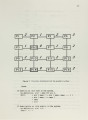
| OCR Text |
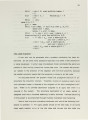
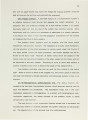
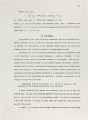
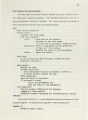
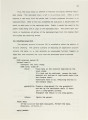
Show 90 3.4.2 Protocol for splice recovery The main idea of the splice recovery method is to build a res ilient struc ture along with a program evaluation. The redundant information must be in place long before a recovery is initiated. This section describes the usage of these redundancies from the view of a single processor. LOOP CASE received packet OF forward result: Interpret the level stamp. CASE level stamp OF child: Place data at the location indicated by the level stamp. If a task can be continued, ·resume the task. grandchild: Create a step-parent for the grandchild if there isn't one already. Transfer the result to its step-parent. others: Ignore the packet. fetch data: If the location has been evaluated, forward the data. Otherwise, DEMAND IT. apply packet: Execute the task. DO each instruction If an unevaluated function encountered, DEMAND IT. If cannot proceed, suspend the task. UNTIL completion. . Send the result to the parent. If the parent is dead, notify the grandparent and send the result to the grandparent. ~rror-detection: Find the topmost offspring of all branches, respawn all these applies. Establish transport mechanism for relaying partial results. ENDLOOP. The routine DEMAND_IT is the fundamental evaluating process of an applicative program. We elaborate the algorithm in the followi~g form. DEMAND_IT: Create an apply closure. |