| OCR Text |
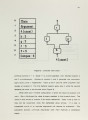
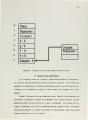
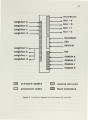
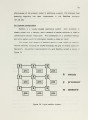
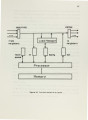
Show 37 mediately delivers this information to the neighbors, since 0 is the minimum proximity. This allows the idle node to trigger the load migration as soon as possible. Broadcasting PP to the neighbors may be avoided if the newly calculated pressure is the same as the previous one. When there is a discrepancy of gradients in the system, the smaller PP of a node indicates that there is a shorter path to an idle node. In this case, apply packets are routed to the idle node via the node with the smallest PP. The algorithm suggested here is a localized load balancing measure. The dynamics of local balancing represent a step-wise refinement toward a global load balancing. At any instant there are some subregions of a system adjusting their regional gradient distributions and balancing their work load. The overall system may never achieve a steady gradient distribution unless it is saturated. 2.4.6 !4 hardware load man_!g_er implementation Roughly speaking, there are two type of packets flowing through the communication networks: One is the application related packets and the other is system packets. Application packets include APPLY, FETCH, and FORWARD packets. System packets primarily carry PP updating information which governs load balancing activity. The gradient model does not require that PP updates among neighboring processors be imminent, nor does it require update3 to . be implemented with a separate communication channel. However, there are several merits to have a dedicated load balancing channel. Communication channels normally have some buffers to accommodate temporary congestion. Queuing application packets in the buffers is sometimes necessary to preserve the system integrity, but it does not make sense to queue the PP update packets. If there are multiple outstanding update packets between two processors, only the last packet is meaningful. Queueing the PP packets may have an adverse effect on load balancing. The PP packet may also be used as a flow control measure to regulate the |