| OCR Text |
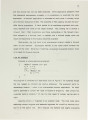
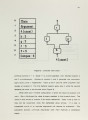
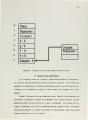
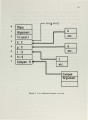
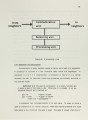
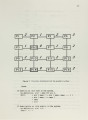
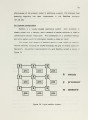
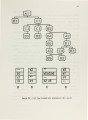
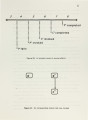
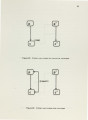
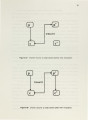
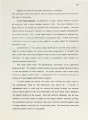
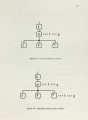
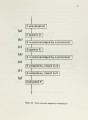
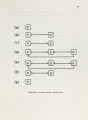
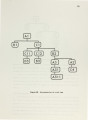
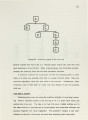
Show 82 that broken pieces can be put together again. When a parent discovers the failure of a child task, the parent task generates a twin task of the faulty child. This twin task "inherits" all offspring of the faulty task with the help of the parent. 3.4.1.2 Clustering_ of t_ask~_A dynamic load balancing scheme may not always allocate a new task to a different processor. Depending upon the work load, a parent node may absorb its own child task. Therefore, a parent task of a child may not reside at the parent node of the child. However, the parent node of a child can always reproduce the parent task, either directly or indirectly. As shown in Figure 22, the parent task of C3, which is C1, does not reside at the parent node of C3, which is processor A. But, processor A has the capability of regenerating task C3. 3.4.1.3 Inheritance. Assume processor B fails when the task graph has been spawned as shown in Figure 22. Processor C may start recouping the loss of 82 as soon as C realizes that node B is dead. A twin task of 82, say 82', is created by the parent C to inherit tasks 04 and A2. A full emulation of task 82 would require task 82' to possess physical binding information between 82 and 04, 82 and A2. Unfortunately, this information is embedded not only inside the faulty node, but also within every descendant processor. Changing the return addresses of every descendant task at various sites could be very tedious. Instead of fully emulating a faulty task, we opt to make 82' inherit descendant .tasks of 82. Suppose that 04 tries to return the evaluated answer to P.arent 82, it detects that node 8 is dead. The algorithm commands 04 to forward the result to grandparent processor C . Processor C receives these unexpected partial answers from grandchildren and asserts that the parent of these grandchildren is faulty. Then, processor C forms the recovery task 82' by duplicating the apply packet of 82 . . If processor C has already reproduced 82' when the return from 04 arrives, task A simply forwards what it has received to step-child 82'. The role of |