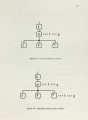
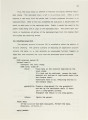
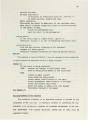
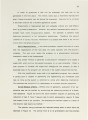
| OCR Text |
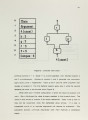
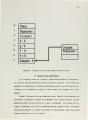
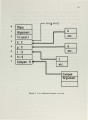
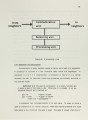
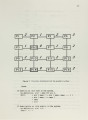
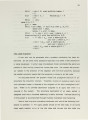
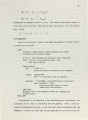
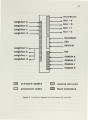
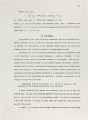
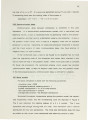
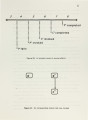
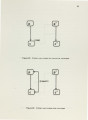
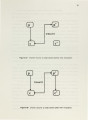
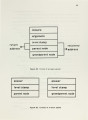
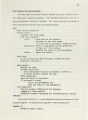
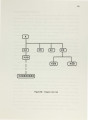
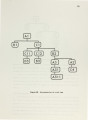
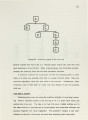
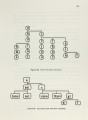
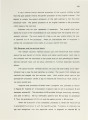
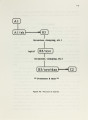
Show 88 Case 8: old result arrives after everything is completed. The processor which contained P' may no longer recognize the arnved answer. The result is discarded. ~.4.1 . 5 Task structure. By definition, an apply packet contains a closure, an argument. and a return address (section 1.4.2). The return address of an apply task can be viewed as a pointer from a child task to its parent. The level stamp method discussed in section 3.3.1 seems to be an elegant representation of a return address. But. a level stamp alone is not adequate in practice, because there is no physical identification of the parent task. A field which holds a physical processor number is thus added to an apply packet for designating the parent node. Concatenation of the parent node identification and the level stamp is used as a return address for normal. error-free computations. If a parent node fails, a child task uses the grandparent node in place of the parent identification. Therefore, an apply packet must include a grandparent node number for recovery purpose (Figure 29). The level stamp bears the genealogical information of an applicative program graph. The rollback scheme employs the level stamp method primarily to find the genesis of nodal relations. The splice recovery uses a level stamp more as a tag for partial result. A grandparent tries to recover a lost task by putting all these tagged grandchildren together. A return packet has one of two forms: eith ~r having the parent node or the grandparent node as the destination, see Figure 30. A parent or grandparent entry is used only for routing the packet through the network. Once a return packet arrives at its destination, the level stamp solely represents the logical location of the answer. Note that physical addresses may be augmented to the level stamp to speed up the logical address matching process. The association betwee.n a physical node and a function structure begins when an apply packet is spawned out of the parent node. The association decouples when the answer returns to the parent. |