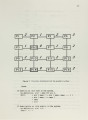
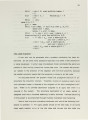
| OCR Text |
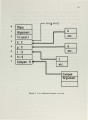
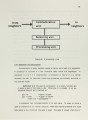
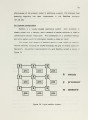
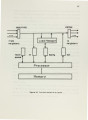
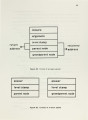
Show 56 bytes and a pressure update packet has only 1 byte. The function code of an APPLY packet may be disseminated to all processors before the execution starts. Otherwise, the code may be transferred along with the APPLY packet and cached in the destination node. Communication delays between two switches is another adjustable parameter. Initially, the communication channel speed was set to 10 Megabits per second for each channel. Later, this number was varied to study the effect of communication bandwidth (see section 2.6.3.7). 2.6.2.2 Switch manager. Each xputer has a switch manager. The switch manager is implemented as a priority packet server. All incoming packets are concentrated in a single switch queue. The switch manager serves the switch queue first, relays the data and apply packets to the processor, and stores the update packets from immediate neighbors for the load manager. The switch manager also handles all outgoing data packets which have been enqueued by the processor. 2.6.2.3 Load manager. The load manager is a subsidiary of the switch manager. As discussed in early sections, it is responsible for attracting new tasks from outside when the processor is underloaded as determined by the internal pressure function. When an xputer is overloaded, the load manager pushes excessive load out of the processor if there exists a demand. When an xputer is in the neutral zone, the load manager simply modifies and relays other xputers requests. The load ma.nager is normally a passive element. It monitors environmental conditions and responds accordingly. Only when the local xputer becomes idle, will the load manager initiate an activity. Together, code for the switch and load managers is about 1000 lines of PASCAL code. |