| OCR Text |
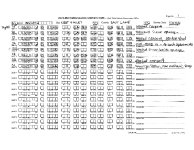
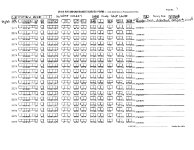
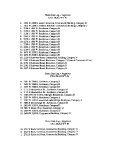
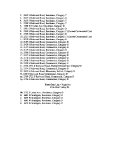
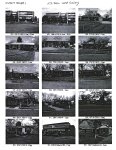
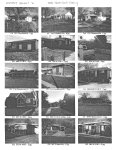
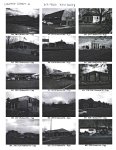
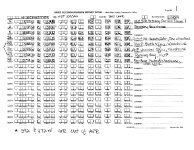
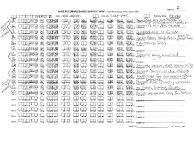
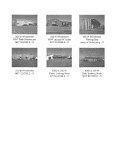
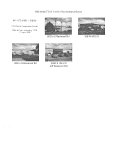
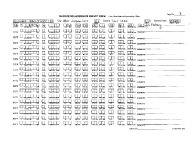
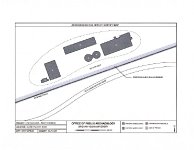
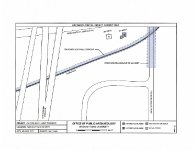
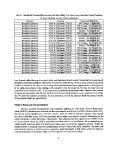
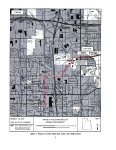
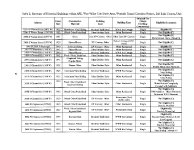
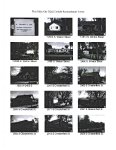
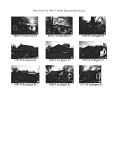
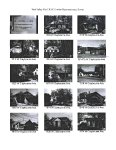
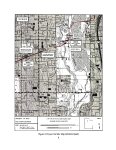
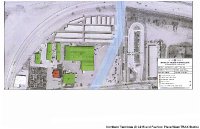
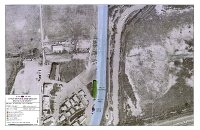
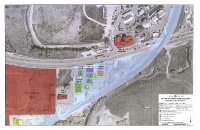
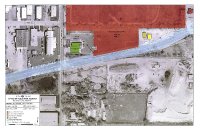
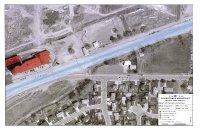
Show Historic Structure Survey A total of22 structures were examined and assessed as potential historic buildings. Reconnaissance level survey (RLS) data was collected for all of the buildings. Eleven buildings inventoried were residential structures, of which four had been converted for commercial use. Ten buildings were strictly commercial constructions, and one building was an historic church. An historic cemetery was also included in the inventory because of its proximity to the APE. The assessed buildings were located in six areas shown in Figures 1-3 as "Historic Building Inventory Areas." Like the pedestrian survey areas, these were also numbered from east to west and are defined in more detail below. Not all of the structures originally listed by the URS Corporation were inventoried, as many do not fall within the APE for the proposed corridor and were therefore excluded from this assessment. Historic Context for Inventoried Areas Murray City "Great Salt Lake City, as it was first called, was the start of a vast 'Mormon empire.' Yet in 1847 it was hard for anyone besides Mormons to see Utah as a 'Land of Promise.' Instead, it was "The Land Nobody Wanted.' Nobody, that is, except Mormons and the Native Americans who had long made it their home" (McCormick 1980: 12). The Goshutes lived in the northwestern portion of the state, primarily along the western shores of the Great Salt Lake, Utes inhabited the north/north central areas, while Paiutes were found in southern and southwestern Utah. "Indians did not live in the Salt Lake Valley, which is one reason Mormons selected it as the place for their first permanent settlement" (McCormick 1980:12). However, while the Mormon pioneers were the first Euro-Americans to permanently settle in Utah, they were not first to enter or explore the area. "For the previous three-quarters of a century, a variety of people and groups had crossed and re-crossed the territory (and) a great deal was known about Utah" (McCormick 1980:12) from explorers such as Dominguez and Escalante, John C. Fremont, Jedediah Smith and Jim Clyman. The earliest European-Americans to occupy the Salt Lake Valley were trappers, who frequented the valley and its surrounding areas beginning in the 1820s. The western slopes of the Wasatch Mountains bordering the valley provided plentiful water and fertile hunting grounds for those seeking to exploit the natural resources of the region (Polk et aI. 1995). But the Salt Lake Valley itself was isolated and uninviting, with only about ten percent ofthe land being suitable for agriculture, with minimal precipitation and a short growing season (McCormick 1980). "Though the early years were difficult, Mormons slowly and confidently conquered the harsh environment. Great Salt Lake City became the center for launching vigorous expansion. Once their city was firmly established, Mormons began systematic colonization of every habitable region in present-day Utah" (McCormick 1980:15). "The Holladay-Murray area was one of the first places settled after the arrival of the Mormon pioneers in the Salt Lake Valley in 1847" (Polk et aI1995:7). Although no definite record exists to confirm who exactly was the first person to settle in what would eventually become Murray City, the Cahoon and Bullock families were some of the earliest residents. In 1849, several families left a Spring Creek settlement "to join the Cahoon families in the new settlement of Murray" (Polk et aI., 1995 :7), and by 1860, the town had grown to house more than 30 families (Rasmussen 1976). The community of Murray quickly developed many ofthe "necessities" of frontier life, and by 1853 "several small stores, a saloon, a blacksmith shop, a sawmill, two schools, and a church meetinghouse" (Polk et aI. 1995 :7) were found in the community. Most of the early settlers were farmers, whose crops consisted "chiefly of those grains that would be turned immediately into use by the farmer and his family" (Rasmussen 1976:10) such as wheat, com, oats and rye. A few farmers also engaged in raising cattle, 22 |