| OCR Text |
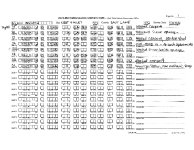
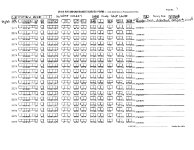
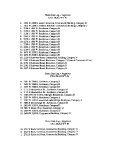
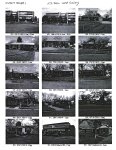
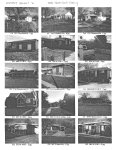
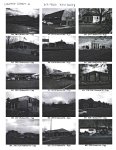
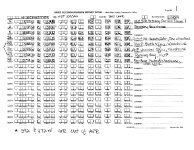
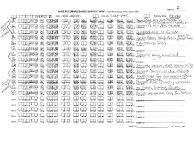
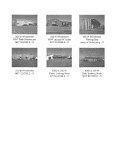
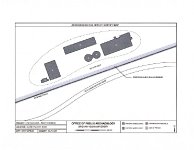
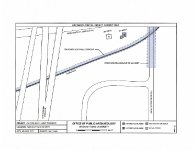
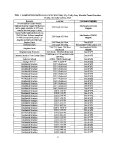
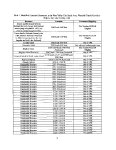
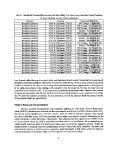
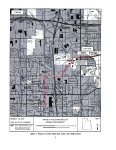
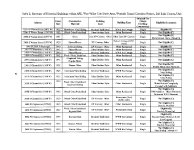
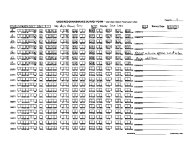
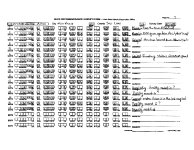
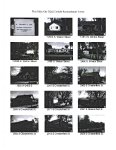
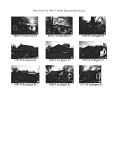
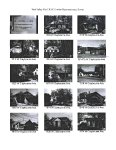
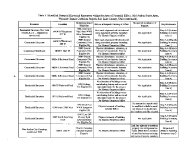
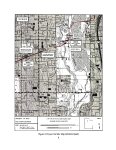
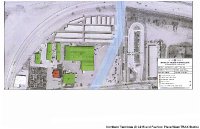
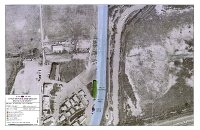
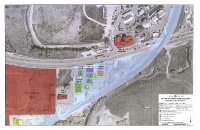
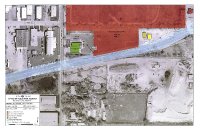
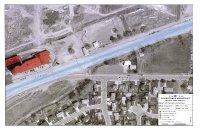
Show Previous to undertaking a field assessment of historic structures, OPA consulted with both the Utah Division of State History, and UTA TRAX to clearly defme the area of potential effect (APE) associated with the proposed corridor. The APE for the project was defmed as 40 feet to each side of the center line of the proposed corridor, equaling a total APE of 80 feet along the proposed linear corridors. Areas contained within the footprints of proposed TRAX stations and parking lots are also considered to be within the project APE. The determination was made that not all of the structures identified by URS were located within the area of potential effect, and therefore did not need to be included in an assessment of historic properties potentially affected by the proposed undertaking. In those areas where the proposed corridor is located in the center of an existing road, and the proposed plans suggest no need for expansion of the right-of-way beyond the existing curb and gutter, then the properties fronting the road were not considered to be within the APE. If any portion of the land parcel associated with a structure was planned for taking in conjunction with the new rail line, then the associated structures were considered to be within the APE and were assessed as potential historic properties, even if the structure itself was located outside of the proposed light rail right-of-way. (Two exceptions to this arrangement are noted. As currently identified, the APE for the project corridor along the existing rail line extends slightly into the residential properties located along both Daniel Way and 8565 South. Property on the opposite side of the rails is currently open land. The residences along these streets were not considered as affected properties as UTA considers that it should be possible to adjust the rail corridor and APE toward the vacant land in order to avoid affecting those residential parcels.) A previous reconnaissance level assessment by the URS Corporation identified seven linear historic sites (canals and railroads), two historic cemeteries, and 19 buildings that were listed as potentially historic. Field survey conducted by OPA personnel of additional areas included within the final Mid-Jordan east-west proposed TRAX plan identified an additional 14 potentially historic buildings within the project corridor. Table I summarizes the eligibility status and finding of effect for the identified . structures within the project APE. Schematic overlays on large-scale aerial photos highlighting these structures and identifying their National Register eligibility category are found in Appendix A. Table 2 identifies the potential historic properties initially identified by URS, but found to be outside the final APE for the proposed rail line. Historic Structure Documentation Historic structure documentation was completed utilizing the Utah State Historic Preservation Office (USHPO) standards and protocols for Reconnaissance Level Surveys (Office of Preservation 1993). The current survey qualifies as a "selective survey" under the USHPO standards, because only selected structures within the project APE were assessed, and no effort was made to compile information on the adjacent structures outside the scope of this project. This approach has been approved by USHPO for use on linear projects where the APE is restricted, and where there is no justification for a standard survey, which usually examines entire city blocks and collects data on all of the structures present. While the standard survey is typically used for reconnaissance surveys being conducted in behalf of Certified Local Governments (CLGs), a selective survey is generally used for projects of this nature where the objective is the identification of structures within a selected project area of potential effect. Standard encoded architectural data was collected using the Utah Historic Computer System (UHCS) forms. A brief summary of each structure that was recorded is presented below, and copies of the data encoding forms are included as Appendix B. The encoding data was also submitted directly to USHPO in electronic copy, together with a hard copy of the documentation and appropriate maps, photographic contact sheets, and negatives for the surveyed structures. The historic building documentation, including the negatives will be curated at the USHPO office in Salt Lake City. 2 |