| OCR Text |
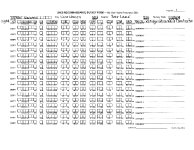
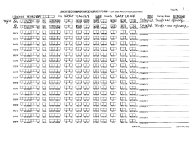
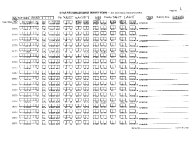
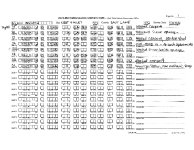
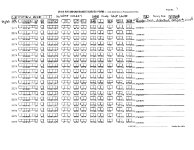
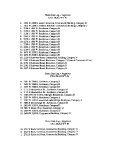
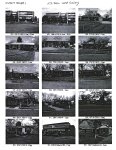
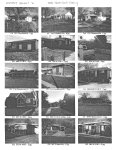
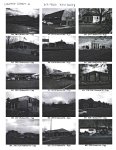
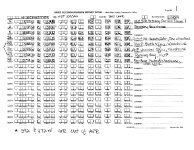
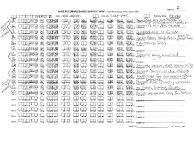
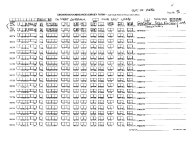
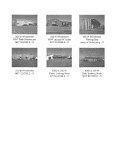
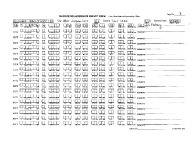
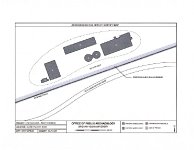
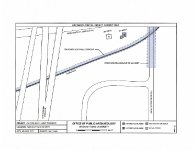
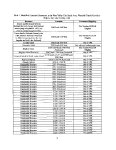
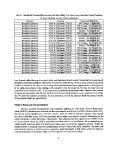
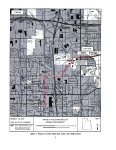
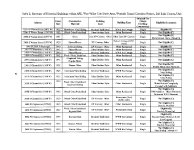
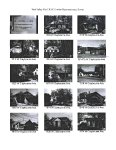
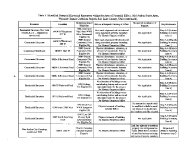
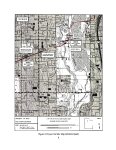
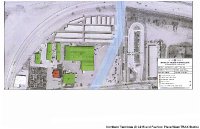
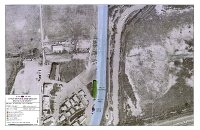
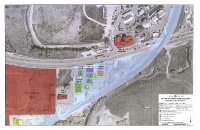
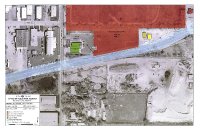
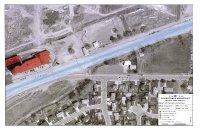
Show Standard encoded architectural data was collected using the Utah Historic Computer System (UHCS) forms. A brief summary of each structure that was recorded is presented below, and copies of the data encoding forms are included as Appendix A. The encoding data was also submitted directly to USHPO in electronic copy, together with a hard copy of the documentation and appropriate maps, photographic contact sheets, and negatives for the surveyed structures. The historic building documentation, including the negatives will be curated at the USHPO office in Salt Lake City. Historic buildings are assessed according to the eligibility standards for the National Register of Historic Preservation (National Park Service 1991). The same general standards apply to both the archaeological sites as well as the historic buildings documented during the survey - both categories of historic properties must meet the minimum age standard set by the NRHP, as well as retain the integrity necessary to convey their significance (National Register Bulletin 15). Additionally, the Utah State Historic Preservation Office has implemented a four-tiered system of building assessment to complement the assessment categories of "eligible" and "not eligible" (for the NRHP) that are generally used when assessing the significance of any historic property (Office of Preservation 1993). These four categories are designated by letter codes: A, B, C and D. The "A" code designates eligible buildings that are exceptional examples that would likely be eligible for individual nomination to the NRHP. "B" designates buildings that meet the age and integrity requirements, but are of lesser quality and probably would not be individually eligible for the NRHP, but which might be a contributing resource in a historic district. "c" designates buildings that meet the age criteria and are therefore "historic," but which are not eligible, usually due to a loss of integrity, but occasionally simply for failing to meet any of the four evaluation criteria of significance as established by the NRHP (National Park Service 1991). The "D" code is used to indicate modem ("out of period") buildings or structures which fall within the area of buildings being assessed or surveyed. Since these structures do not meet the minimum age criteria for eligibility to the NRHP, they do not qualify as "historic properties" as defmed by the National Historic Preservation Act, and are therefore are automatically "ineligible." Survey Methods Because the project corridor lies in a heavily urbanized area that is nearly completely developed, a pedestrian survey was not completed for the entire corridor route. Reconnaissance survey by URS and OPA identified the major linear historic properties intersected by the project corridor, which were documented on a site by site basis (Figures 1 and 2). Only short segments of these sites as encountered within the project area were examined, while in most cases the features (railroad lines and canals) extend a considerable distance beyond the immediate project area, and in many instances, have been previously recorded and documented elsewhere in the Salt Lake Valley. The project corridor does include several small discrete parcels of land that are currently open and undeveloped, and which show no clear evidence for historic or modem disturbances of any major kind. These discrete parcels retain some potential for undisturbed archaeological materials, and were therefore selected for intensive pedestrian survey to identify historic properties (i.e. evidence of archaeological deposits). All parcels that were identified for pedestrian survey were subjected to a Class III survey as defined by the inventory standards employed by the Utah Bureau of Land Management (Utah BLM 2002). Class III inventories are designed to identify and record all cultural properties visible from the surface andfrom exposed profiles within a target area (except for any subareas determined very unlikely 5 |