| OCR Text |
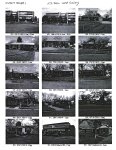
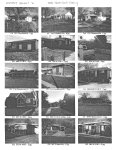
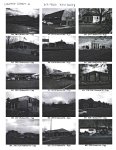
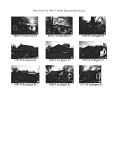
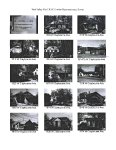
Show Chesterfield The community of Chesterfield has enjoyed a somewhat checkered history, experiencing occupation, abandonment, reoccupation and surging growth during its existence. The community was initially purpose-built to provide housing along the "Orem" railway line. "The railroad'sfirstflag stop north ofGranger was in Chesterfield, the name ofa housing project that developers hoped to establish around the railroad No historical significance is attached to the name; it was selected simply because Chesterfield had not been used before. The Kimball and Richards Company, which bought the land from Charles and Frances Adams in 1914, granted the Salt Lake and Utah Railroad a right-ofway for the track, believing the train would provide transportation for workers who moved into their development. Almost 80 percent of the small lots west of the Brighton and North Point Canal were sold by 1920, but a recession early in the decade prompted most people to move away, "in some instances taking their homes with them on wheels." By 1926, only three families remained, the development failed, and the property reverted to the Adams " (Gorrell 1993:8). The abandoned train-stop housing project of Chesterfield was resettled during and because of the Great Depression as part of Salt Lake County's attempt to aid the poor. As unemployment rolls swelled, Welfare Department officials decided that instead of providing rent assistance, the County should purchase small lots for $10, and assist the impoverished in building their own homes. The agency even supplied some lumber for the work. "The welfare department, while realizing the inadequacy of the dwellings built from such meagre (sic) materials, concluded that the families would secure more happiness and security by owning a small amount of property than to rent a more comfortable abode" (Sillitoe 1996:175). By 1940, 110 families had settled in Chesterfield, the largest influx occurring between 1936 and 1939. Nearly one-third of the families headed by males drew their primary income from welfare (Sillitoe 1996; Gorrell 1993). Most Chesterfield residents were Mormon, and church meetings were held in a makeshift tin shed. In order to assist the residents, the church also helped to develop a poultry farm at 2100 South and Eighth West streets. The church's various ad hoc efforts mounted into a comprehensive relief program, highlighted in a central Salt Lake City stake under the guidance ofHaroldB. Lee, a future Church president. In part, because of the needs so evident in Chesterfield, the Church officially announced its Church Security Plan (later known as the welfare plan) in 1936 (Sillitoe 1996). The houses and living quarters for the 110 families living in Chesterfield were primitive at best. Most homes took the form of dugouts, tents, or one-room houses, while "some were fashioned from rags, packing boxes and burlap ... A one-time chicken coop houses a family of nine persons" (Sillitoe 1996: 177). No homes had central heating or running water, but most (98) did have electric lighting. Drinking water was often contaminated, and there was no sewer system. Other services, such as medical care and education were hard to come by. High juvenile delinquency also troubled the area, as well as school absenteeism. But the residents of Chesterfield appeared to be a strong group. One of the schoolteachers noted: "Not only are the residents desirous ofremaining in the community, but they intend to fight for the right to live there . . . An attitude of defiance, mingled with some resentment, is apparent in their demands for services and in their tendency toward community isolation. A remark of one father is typical: "Not any of us would be living in this place ifwe weren t forced out here; but now that we are here, we'll show them" (Sillitoe 1998:175). 18 |