| OCR Text |
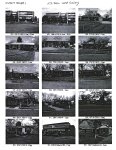
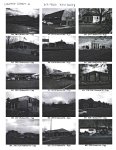
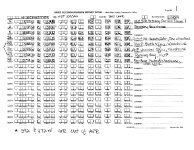
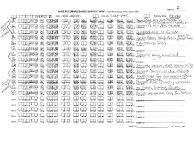
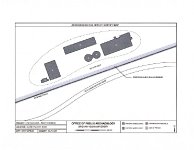
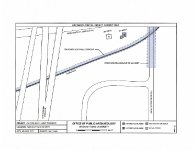
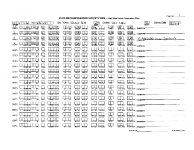
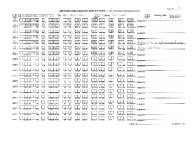
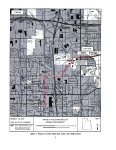
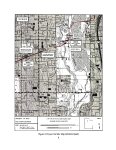
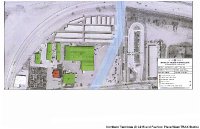
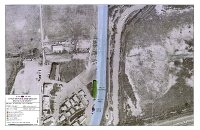
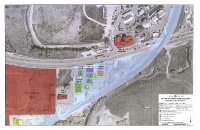
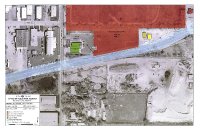
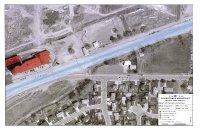
Show to contain discoverable cultural properties). They are continuous, intensive and complete surveys carried out by trained observers walking close-interval parallel transects until the area has been thoroughly examined... A Class III inventory preceded by an existing data review is the standard method of identifying historic properties in Utah for the purpose of complying with Section 106 of the National Historic Preservation Act... [Utah BLM 2002:3] For the West Valley City Light Rail Corridor five separate small parcels were identified for a pedestrian survey. Each was examined by a crew of2 to 4 archaeologists. Each crew was supervised by a permitted professional archaeologist, but included student employees of the Office of Public Archaeology. Crews examined each parcel by walking closely spaced transects over the entire area to be examined at a spacing not exceeding 20 meters between crew members. Location control was maintained through the use of standard USGS 7.5 minute maps, and large scale photogrametric images at a scale of I" = 300 feet, which were provided by the Utah Transit Authority. Garmin global positioning system (GPS) units were used in the field for geospatial referencing of survey locations. Black and white photographs were taken of all historic properties identified within the project area, and all the identified sites were documented using data collection protocols consistent with the Intermountain Antiquities Computer System (IMACS) (Intermountain Antiquities Computer System 1982). All of the historic linear sites that were examined during the project had been previously identified and assigned state archaeological site numbers, so full IMACS documentation was not completed, but rather data was collected to allow preparation of an addendum to the site form to be submitted to the State Historic Preservation Office. The location of the survey areas and results of the survey is described in more detail below. Study Results As previously discussed, the process of identifying historic properties within the project corridor for the purposes of compliance with Section 106 of the National Historic Preservation Act focused on three separate and distinct strategies: 1) documentation of previously identified historic linear features, 2) pedestrian survey of undeveloped areas, and 3) reconnaissance level survey (RLS) and recordation of historic buildings located within the area of potential effect. The results of these three identification strategies are reported separately below. Historic Linear Features Three historic linear sites were identified during the project. These include two railroads and one canal. All three are recommended as eligible for the National Register of Historic Places under Criterion A. Property Name: Denver and Rio Grande Western Railroad (formerly Copper Belt Railroad) Site Number: 42SL293 Site Type: Railroad Site Description: Site 42SL293 is a segment of the Denver and Rio Grande Western Railroad main line, which passes through the Salt Lake Valley from north to south. The railroad, originally constructed in 1875 as the narrow gauge Copper Belt Railroad, was converted to standard gage track in 1890. The documented 8 |