| OCR Text |
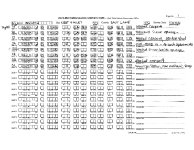
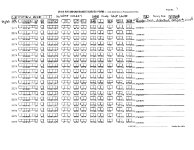
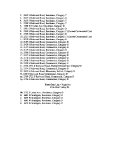
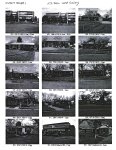
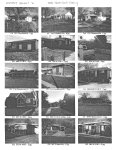
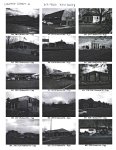
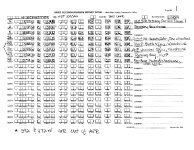
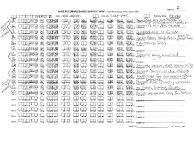
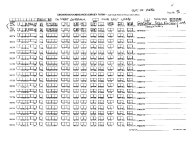
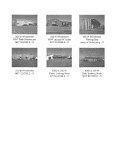
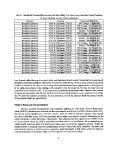
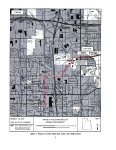
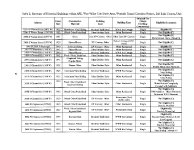
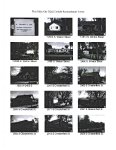
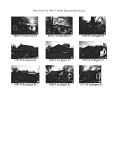
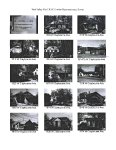
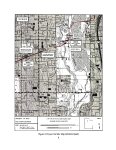
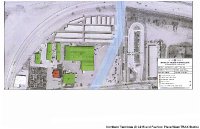
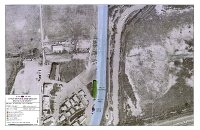
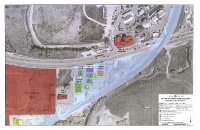
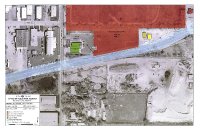
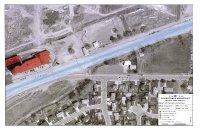
Show The Chesterfield area experienced a partial rejuvenation during World War II, and its population increased after the U.S. Army opened a small arms plant just north of the area in 1941. "The plant attracted workers from throughout the valley, some from Granger and Hunter. But many newcomers moved away after the plant closed in 1944. A Salt Lake Tribune article in October, 1947, said Chesterfield had 2,000 residents, two grocery stores, a garage and newly installed natural-gas lines. Plans also were being made for water and sewer systems" (Gorrell 1993:9), but nothing was put into place until the late 1950s. As Chesterfield was part of the area being considered for incorporation into West Valley City, discussion among the residents there was mostly negative. "The residents' reluctance to citify was complicated by an insidious notion in Salt Lake City that investments were unsound west of the Jordan River. Meanwhile, urban and rural lots mixed, and blight plagued areas of the westside .... The Chesterfield and Redwood areas showed these stresses as clutter of junked cars and trucks mixed with small plots containing a few cows or horses. A multipurpose center, opened by the county on Redwood Road greatly improved the community, offering badly needed recreational facilities, youth employment and training, day care, emergency food and clothing, English-as-a-second-language classes, medical services, and senior citizen programs" (Sillitoe 1996: 210-211). Incorporation into West Valley City eventually brought some additional services and improvements to Chesterfield, but the neighborhood remains distinct from the surrounding areas due to the small lots and crowded housing dominating the community. Description of Historic Building Inventory Areas Four historic building inventory areas were examined for the West Valley City corridor. All are located with incorporated areas of West Valley City. Historic Building Inventory Area 1 - This inventory area consisted of the structures located along the west side of Winton Street south of2455 South (Parkway Avenue), and a single structure on the southwest corner of2455 South and Winton Street. The inventory area is located immediately west of the Jordan River. A total of four structures were inventoried on Winton Street, one of which was a modern modular home which has been recently constructed in the neighborhood. A single building was inventoried on the south side of 2455 South near the intersection with Winton Street. The historic homes in the area generally date to the 1920-1935 period. Historic Building Inventory Area 2 - This inventory area was located on Chesterfield Street (1160 West) between 2455 South (Parkway Avenue) and the Decker Lake Canal. The inventory included seven homes on the east side of the street. The area inventoried begins about the middle of the block between 2455 South and Crystal Avenue (2590 South) and extends south to a vacant field. A total of seven buildings were inventoried. The homes examined are those located on parcels that extend eastward toward the Jordan River, the back portion of which lies within the proposed transportation corridor. Several homes on the east side of this same block but north of those inventoried were not examined as they are out of the APE. The homes on the west side of the street between 2455 South and Crystal Avenue were also not examined for the same reason. Historic Building Inventory Area 3 - This inventory area is located on the west side of the street south of Crystal Avenue and down to the Decker Lake Canal. The inventory included only the three homes closest to the Decker Lake Canal, as those further to the north on this block area out of the APE. The east side of this block is a vacant field with the exception of two homes just slightly south of Crystal Avenue which were included in Inventory Area 2. 19 |