| OCR Text |
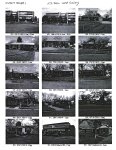
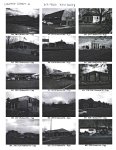
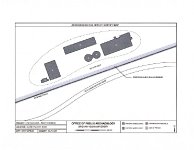
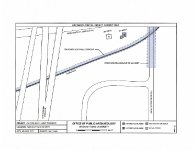
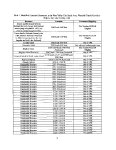
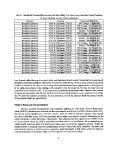
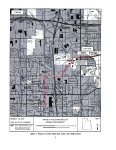
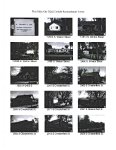
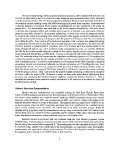
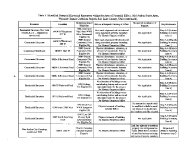
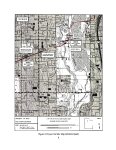
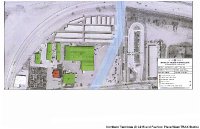
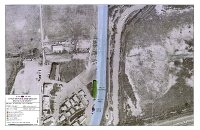
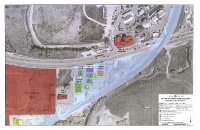
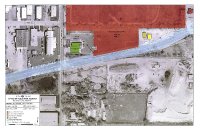
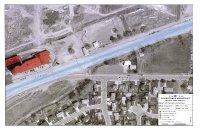
Show Introduction The Office of Public Archaeology (OPA) at Brigham Young University conducted a survey of the proposed Mid-Jordan Light Rail Corridor in Salt Lake County for the purpose of identifying and assessing the eligibility and significance of a number of previously identified potential historic properties located in the vicinity of the corridor project (Murtaw 2002) under the guidelines of the National Register of Historic Places (NRHP). Most of the project lies within highly urbanized areas of private and public land within the incorporated cities of Midvale, Murray, West Jordan and South Jordan, Utah. Emphasis was placed on the identification of existing structures that could possibly qualify as historic properties under the NRHP guidelines as well as the identification of non-historic properties which might be affected by the proposed project corridor. Historic ditches, canals and railroads which crossed the proposed project corridor were also examined. Standard pedestrian surveys of six small, discontinuous parcels of undeveloped land located within the proposed corridor and which retained the potential to contain undisturbed evidence of prehistoric or historic cultural materials were also conducted. Project Overview Previous Research An extensive literature search was completed by the URS Corporation as part oftheir reconnaissance survey of the proposed corridor and compilation of historical background data (Mutaw 2002). URS reported that they found no previously recorded archaeological sites located in the proposed alignment (Mutaw 2002). A literature and records search by OPA found that there are several previously recorded linear historic sites (railroads and canals) that lie within the project area. These have been identified in the course of previous surveys for historic properties, many of which were undertaken in relation to small transportation improvement projects or the installation of buried telecommunications lines (e.g. Fergusson 2000; Polk 1990; Polk and Weymouth 1993). A major contract associated with the Kern River Gas Pipeline undertook to identify all the historic linear sites within Salt Lake County and to create historical contexts within which to assess these sites (Hom 2004). Several of the major canals and railroads documented during the current survey were previously identified during this county wide assessment. Three historic properties which had been previously placed on the National Register of Historic Places (NHRP) were also identified immediately adjacent to portions of the proposed light rail line project corridor. Methods Most of the proposed light rail corridor lies along established road right-of-ways or in developed urbanized areas consisting of buildings, parking lots, and other types of commercial and transportation related features typical of the built environment within a modem metropolitan area. The nature of the project area heavily influenced the methods used to identify historic properties for the purposes of compliance with Section 106 of the National Historic Preservation Act. Very little of the corridor required a standard intensive pedestrian survey, as the extant conditions preclude the existence of undisturbed archaeological sites. Field survey by an archaeological crew was restricted to the small parcels scattered along the corridor which are undeveloped, and which retained some potential for archaeological resources to be present. |