| OCR Text |
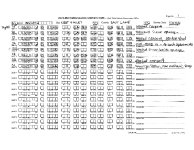
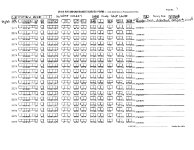
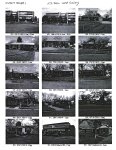
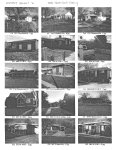
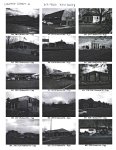
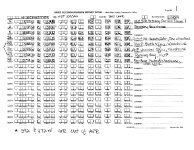
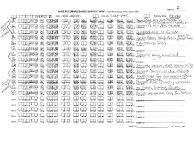
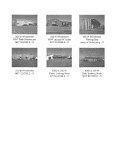
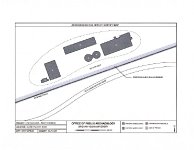
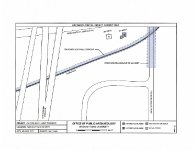
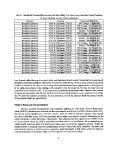
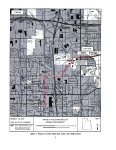
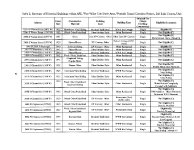
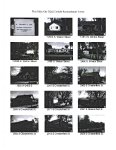
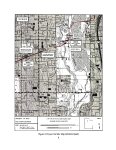
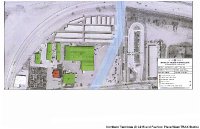
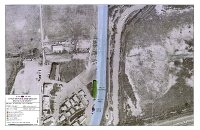
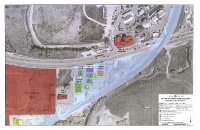
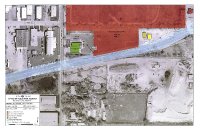
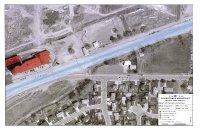
Show the intersection of Winton Street and 2455 South and runs through a vacant field, and then deflects slightly to the west to follow the west bank of the Jordan River to a point just north of Crystal Avenue (2590 South). No historic properties were found. Survey Area 4 - This survey area is roughly triangular shaped and covers 2.1 acres. It is situated on the east side of Chesterfield Street at the point where the street ends at the Decker Lake Canal. The west side of the parcel fronts Chesterfield Street, the north side a developed residential lot and the southeast side fronts the canal from the end of Chesterfield Street to its confluence with the Jordan River. The parcel is currently an open field which appears to have been cultivated in the past. No historic properties were found. Survey Area 5 - A linear survey area approximately 50 meters wide and 620 meters long lying on the north side of the Decker Lake Canal. This area is part of the North Decker Lake Canal Alternative which extends from the southern end of Chesterfield Street westward to Brighton Canal. The surveyed area covers 3.59 acres which is comprised of private land that which is situated on south end oflarge lots which extend from 2590 South (Crystal Avenue) to the canal. Much of the survey area is presently densely vegetated with Russian olive trees, brush, and knee-high grass, which combined to make very poor ground visibility. No historic properties were found. Historic Structure Survey A total of 3 8 structures were examined and assessed as potential historic buildings. Reconnaissance level survey (RLS) data was collected for all of the buildings. All but one of the buildings inventoried were residential structures. The buildings were located in four areas shown in Figures 1 and 2 as "Historic Building Inventory Areas." Like the pedestrian survey areas, these were also numbered from east to west, and are defined in more detail below. Not all of the structures originally listed by the URS Corporation were inventoried, as many do not fall within the APE for the proposed corridor and were therefore excluded from this study. Historic Context for Inventoried Areas West Valley City West Valley City claims Joseph Harker to be the first settler of their eventual town. "The settlers who accompanied Joseph Harker 'over Jordan' in 1849 and those who followed, recognized they faced formidable challenges in making habitable the area that was to become, 131 years later, West Valley City. ... Harker crossed the Jordan River near 3300 South in the fall of 1848 and was joined the following January by a halfdozen families . ... During the next two decades, a few individuals and families ventured west of the Jordan and established temporary residences in what is presently West Valley City. But for the most part, the territory was uninhabited range, left open for cooperative herding of cattle and sheep" (Gorrell 1993: 1). Initially, the Mormon emigrants coming to the Salt Lake Valley from the eastern United States and Europe represented the bulk of population growth in the valley. With the completion of the transcontinental railroad in 1869, social changes that contributed directly to the development of the entire Salt Lake Valley, as well as Utah Valley to the south, and the canyons of the Wasatch and Oquirrh mountains accelerated. The Homestead Act, passed by Congress in 1862, enabled people to acquire 160 acres at an inexpensive 15 |