| OCR Text |
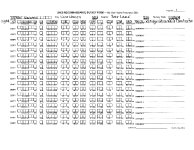
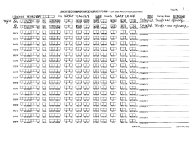
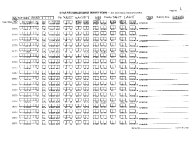
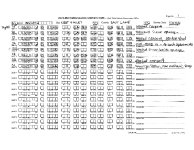
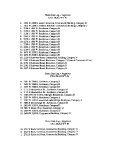
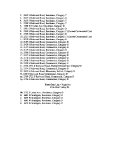
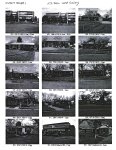
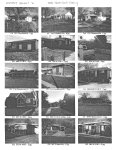
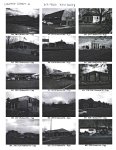
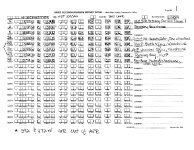
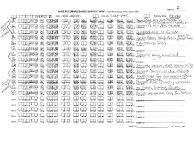
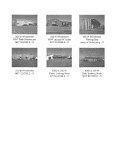
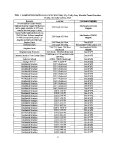
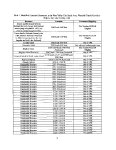
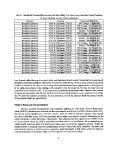
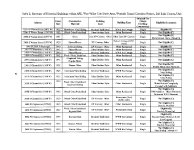
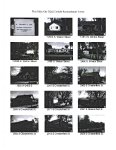
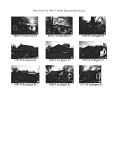
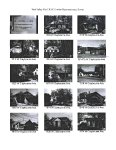
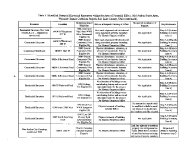
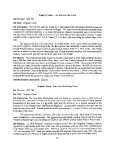
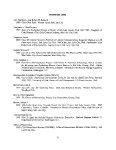
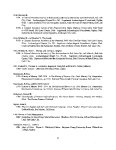
Show Table 2. Identified Potential Historical Resources Outside the Area of Potential Effect, Mid-Jordan Study Area, Westside Transit Corridors Project, Salt Lake County, Utah Resource Location Wite (Wight) Fort Cemetery, established 1854 Welch Planing and Molding Mill, built in 1946 originally, moved to current location when 1-15 was built Residential Structure Residential Structure (commercial current use) Residential Structure (commercial current use) 9000 S -3540 W Determination of Eligibility Out of APE Main and 8th Avenue, Midvale Out of APE 6464 S 357 W (Cottonwood) 7800 S 1135 W 7800 S 1129 W 7800 S ????W (immediately east of 1129 W) Out of APE 7973 S 1300 W 4167 W Old Bingham Highway -4200 W Old Bingham Highway 8250 S (Sugar Factory Road) 2315 W 8250 S (Sugar Factory Road) 2331 W 8250 S (Sugar Factory Road) 2347W Out of APE Out of APE Out of APE Residential Structure Residential Structure The Farm at Welby Foundation remains of structure Residential Structure (may be out of period) Residential Structure (may be out of period) Residential Structure (may be out of period) Residential Structure 8150 S Redwood Road Out of APE Out of APE Out of APE Out of APE Out of APE Out of APE Not Relocated During Survey Historic buildings are assessed according to the eligibility standards for the National Register of Historic Preservation (National Park Service 1991). The same general standards apply to both the archaeological sites as well as the historic buildings documented during the survey - both categories of historic properties must meet the minimum age standard set by the NRHP, as well as retain the integrity necessary to convey their significance (National Register Bulletin 15). (Although the NRHP minimum age standard is 50 years, for the purposes of this survey, the age of eligibility was determined to be 45 years. This more conservative age determination was employed because the proposed rail line will not be built immediately. The additional years allow the survey to maintain its accuracy for a longer period of time and will result in a more accurate resource age representation when the projects are constructed.) Additionally, the Utah State Historic Preservation Office has implemented a four-tiered system of building assessment to complement the assessment categories of "eligible" and "not eligible" (for the NRHP) that are generally used when assessing the significance of any historic property (Office of Preservation 1993). These four categories are designated by letter codes: A, B, C and D. The "A" code designates eligible buildings that are exceptional examples that would likely be eligible for individual nomination to the NRHP. "B" designates buildings that meet the age and integrity requirements, but are of lesser quality and probably would not be individually eligible for the NRHP, but which might be a contributing resource in a historic district. "C" designates buildings that meet the age criteria and are therefore "historic," but which are not eligible, usually due to a loss of integrity, but occasionally simply for failing to meet any of the four evaluation criteria of significance as established by the NRHP (National Park Service 1991). The "D" code 6 |