| OCR Text |
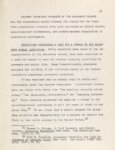
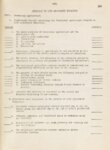
Show 17 dirrioul ties in the faced, many edu$9.tors oalled for to be ourrioulum &eoondary scheof s to meet more the needs of adequa tely. a . ebange youth attending the Dewey wr'ot.:: Ii' thee; l.e espeoial need of educational reoonstruc ... tion at the present time, if this need ma.kes urgent re construction of the basic ld$8.s of traditional philoso phio systems; it, is b$cause of tbB thorough going change in sooial life aocompanying the advance in selenc$, the, 24industrial revolution, and the dEtvelopment of &moc:racy. 'otto pln.point,ed the s1 tuation as the thinking or many wben he deseribed follows. There has been a growing eonaeiou,sne$$ tha t there i$ and too wid:8 a gap between the sohool,., the st\J;de.nJ Amer1ean lit. and that the, school 1s not giving youth ef the kind of traIning whioh 1$ ne$ded not only tOl' a tor but 'ci'\111i!iat1on feotive partleipa t10n in mo·d$r-n that 10 oivilization thorqugh comp:rehen$lQn' of that be g1 yen to $ubsq..uent develop pro,per. dlpeo tl on ma.y ments in the organization of soclety.25 Briggs, Leonad, changes whioh, and Justman, listed the following they believed* required a ahange in the seoon dary school curriculum. 1. Change in society 2. Changes in 3. Changes in industry and busines$ 4.. Ohanges in ,. Changes in' opportunity for leisure 6. ChQl'lges in demooracy 24 John Dewey. MaoNI111an Oompany, communieatlons the a.nd transportation IOdation. of wealth and politios and Edu.cation l)em.oel'ae p. 3 6. 1919), (New York: 'the 2$ Heney J. otto, lementa;ry Sobool 01:rJganizatipu an¢J. ApPleton.Oentury-brofts. Inc •• Administration (Bew YoX"k: l. 1944), p. |