| OCR Text |
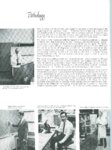
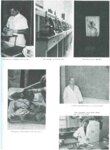
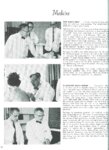
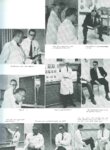
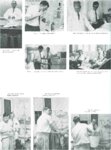
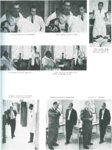
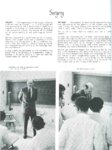
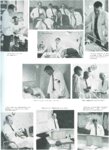
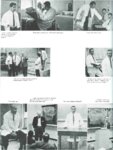
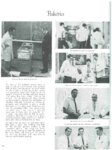
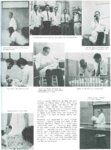
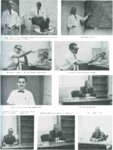
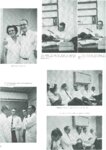
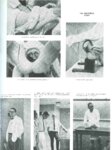
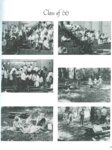
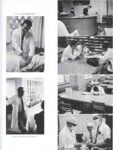
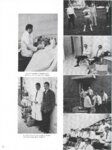
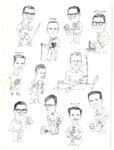
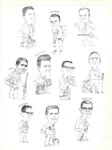
Show HEADS? ... The experiences of the surgery clerkship shall not soon be forgotten. For most it brought the first opportunity to see a body cavity invaded by a scalpel; a shiny loop of bowel extruding through a fresh abdominal incision; the ossicles of the middle ear at tympanoplasty; or soft, pink lung at thoracotomy. We were exposed to a good cross section of surgical disease and taught many useful approaches to the diagnosis and management of these conditions. Despite a few poor teachers, excellent teaching rounds were conducted by such people as Ors. Myburgh, Stevens, and Stemmer. In dog surgery we performed our first operations. We found that a thoracotomy or spleenectomy really is exciting if you're doing it and we were delighted when our "patient" survived. Occasionally we woke up (whenever "This will be on the orals."} ... OR TAILS ... We expected to trade the drudgery of the medicine laboratories for the glamour of the surgery suite. The room is silent, the mood intense when suddenly we are jolted back to reality with, "Damn it, Rodney, do it my way." This is not bastard." to imply that the student was just a "lowly Actually, our importance to "the team" was driven home to us night after night by the fact that we were unbegrudgingly provided with overnight accommodations which rivaled those of the Gold Hotel (30 ½ So. W. Temple). In addition, we were blessed with a willing nursing staff whose interest in our education was most pronounced (in the early A.M.). No one can doubt that Surgery was at least colorful. Dr. Ford was a walking textbook of surgery with illusions of grandeur, who was knowledgeable but harsh and intolerable; Dr. Stevens' interest in renal transplatation caused Dr. Weaver great concern (for daring, not skill, is his forte); and Dr. Burdette conducted rounds in a hot, stuffy room in a monotone that was rivaled only by the snoring of the students. he said, . .. We needn't have; it wasn't. I |