| OCR Text |
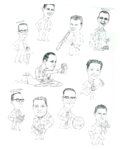
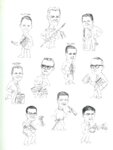
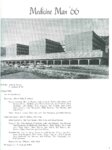
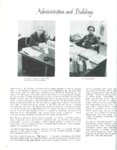
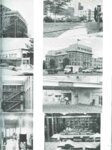
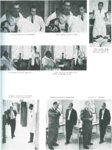
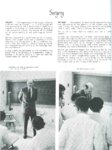
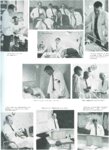
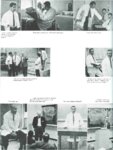
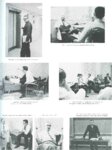
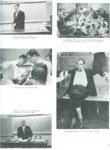
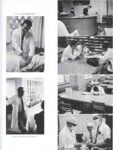
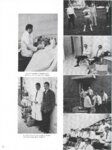
Show _Administration and:Builclin3s "Sit down. I just want to have a little chat with you about your grades .... " When Kenneth B. Castleton left his private surgery practice in 1962 to become Dean of the College of Medicine, he was well credentialed. He had graduated with honors from the University of Pennsylvania School of Medicine; he had had almost thirty years of private surgical experience; he had served as Governor of the American College of Surgeons; he had served as President of the Utah Medical Association; and he had published more than forty papers. Since beginning his service as Dean, he has proved that he can do this job well too. As students, we appreciate the fact that he took our suggestions seriously, and particularly that he responded to our petition to eliminate the requirement of taking non-medical "electives." We also appreciate the concern for us which he demonstrated by taking time to talk with us when we slipped behind; on the other hand, we feel that the administration's drive for academic excellence has lead to the dismissal of an unnecessarily large number of our former classmates many of whom, we feel, would have become at least adequate physicians. Mrs. Florence Strong is Administrative Assistant in Charge of Student Affairs; more important, she is the student's advocate. She has assisted, advised and encouraged many of us throughout medical school, and she has done each of us a service in writing a personal letter of recommendation for our internship applications. We appreciate her help. The Medical Building on campus was built during WW I as a troop barracks. Lecturers in this building had to compete with the weather, barking beagles, bleating sheep and stray chickens. Our first medical home was "The County." It has been standing at 21st South and State Street since 1911 and looks like it. Its rooms were drab and stuffy, and only the offices of the department heads rated the small, window-unit air condi- 2 ''I'm in charge here!'· tioners. Elevators were slow, and few students had the time to ride them. The practice of medicine was difficult in the old buildings; State St. traffic made it impossible to hear anything less than a grade 3/6 murmur, and the old microscopes had acquired numerous RBC and bacteria-like artifacts over the years. The "Cloaca Club's" food had an enteric effect not unlike Dr. Ford's bowel prep, and to avoid this fate we snacked at Charlie's Refreshment Bar and spent our money on pastrami sandwiches at the Busy Bee. On July 10, 1965, the new $16 million Medical Center opened. It has well-equipped labs, comfortable conference rooms and teaching amphitheaters, a student lounge and decent examining rooms. We enjoy being the first class to graduate from "the new building." |