| OCR Text |
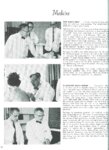
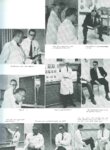
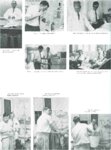
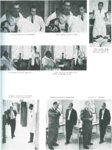
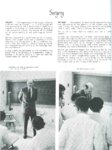
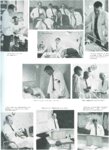
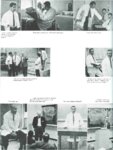
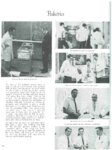
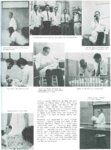
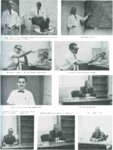
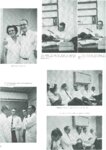
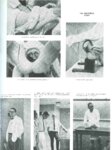
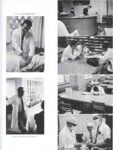
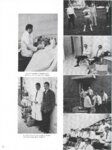
Show Medicine ONE MAN'S MEAT ... To the tributes of years past, may we add our loud praises. The Department o/ Medicine is organized to teach. We found the house staff anxious to help and capable of teaching. Our residents and interns were intelligent and well read; their approach to the patient was thoughtful, systematic, and thorough. Their example was a major factor in our success on Medicine. The most important attribute of the attendings was their constant demand for high standards. They expected us to know our patient, to have considered all of the diagnostic possibilities and to have read at least some of the relevant literature. They required us to practice the same good medicine they practiced. Perhaps more than any other single man, Dr. Maxwell M. Wintrobe taught us the art, as well as the science, of medicine. He embodied the intent of Hippocrates' words, "In every house where I come I will enter only for the good of my patients,'' and he demonstrated this intent with superb clinical skill, rigorous diagnostic thoughtfulness, and humanitarianism. He was, above all, intellectually honest. Finally, the single factor that made medicine's high standards possible was what many departments talked about but few achieved. While on Medicine, we were indeed the patient's first physician. IS ANOTHER MAN'S POISON ... "Traumatic!" There is no other word to describe Medicine. Never in the four miserable years of Medical School was so much demanded of so few. We were expected to have the memory and knowledge of a computer; however, the program was carefully calculated to allow us no time to study. (For some reason it was assumed that with every additional CBC another blow was struck upon the anvil of experience to sharpen our skill and our genius.) And there was no limit to the ingenuity of residents and interns in dreaming up time-consuming procedures which only the student was qualified to perform! Perhaps the crowning event on the medicine rotation was presenting to Dr. Wintrobe. A good presentation had the formality of a supreme court proceeding and the drama of Edmund Kean's Hamlet. County Patients were notoriously difficult and medical histories might be five volumes long. Of course one had to anticipate all of the possible procedures which might be asked about; and since the residents knew in whose hat goes the feather for a "good" presentation, the charts were treated and we were primed accordingly. One comfort, however, was our knowledge that no matter what disease the patient had, the most important thing was naturally the hematocrit and white blood count. So .... 18 |