| OCR Text |
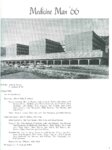
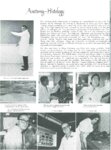
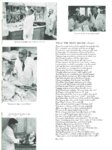
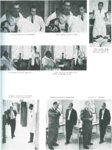
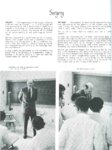
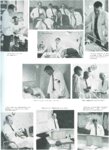
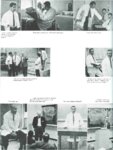
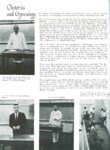
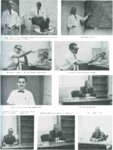
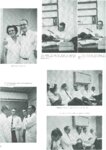
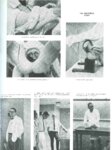
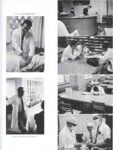
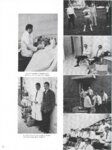
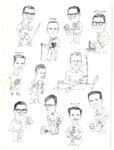
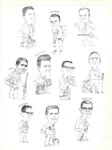
Show ~eurolo~ I ,I , Throughout our medical education, the neurology department was one of the most consistently well prepared depart'ments in the College of Medicine. The department's teaching began with basic anatomy lectures in the freshman year, but it really blossomed during the junior year when excellent clinical lectures were presented, correlating anatomy, physiology and clinical findings. These lectures were accompanied by the distribution of mimeograped notes which later proved to be extremely useful study aids. These lectures were certainly an improvement over most of what we had been previously exposed to. I,!l- ·••·· t 1 • ~ ?%., i. ~l i "There is no history available on this patient ..... During the senior year, many teaching methods were used in addition to lectures. Dr. Jarcho presided over the Socratic neuropathology conferences which emphasized correlation of history (especially temporal profile), the physical examination and the pathological findings. It was amazing how much information Dr. Jarcho could extract from one little piece of data, and it was frightening and challenging (and pleasing when we occasiona.lly were successful) when he expected us to do the same. There were times when our cases (or was it our presentations!) would stump even him. Dr. Ajax's teaching sessions on the neurological exam are unforgettable (especially his demonstrations of abnormal gaits and facies). Dr. Mavor's favorite question was, "What are six signs of pyramidal tract disease?" (The emphasis was usually on spasticity). It is our opinion that the neurology department is to be thanked for one of the most outstanding jobs of teaching to which we were exposed during our medical training . . . . and she is unresponsive with no findings on physical exam except coma. What do you make of it sir?" 22 |