| Title |
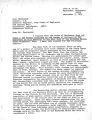
Municipal and Industrial System, Bonneville Unit, Central Utah Project, Utah: correspondence and documents, 1979 |
| Description |
Correspondence by Dorothy Harvey, other CRCUP members, federal and state officials and others; From the The Dorothy Harvey papers (1902-2005), a collection of materials focusing on the Central Utah Project (CUP), a water resource development program to use Utah's alloted share of the Colorado River. Includes correspondence, Harvey's writing drafts and notes for an unpublished book on the CUP, federal documents, project litigation materials, subject files, news clippings, newsletters, programs, brochures, and maps |
| Subject |
Central Utah Project; Strawberry Aqueduct; Rivers--Environmental aspects--Utah; Water resources development --Environmental aspects--Utah; Ute Indians--Claims |
| Contributor |
Harvey, Dorothy; Citizens for a Responsible Central Utah Project; Beard, Brian; Power, Thomas M.; Kaeding, Beth; Ellis, Glen J.; Plummer, Nelson W. |
| Alternate Title |
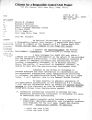
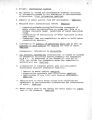
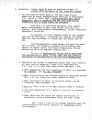
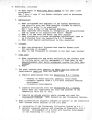
Costs to Utah residents of the CUP: some preliminary thoughts |
| Additional Information |
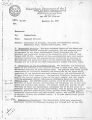
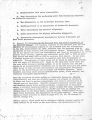
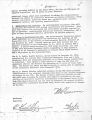
Includes: D. Harvey's letter dated May 3, 1979, to National Wildlife Federation detailing Central Utah Project issues for wildlife; D. Harvey's resume of activities, 1971-1979; Correspondence of Brian Beard, Utah Sierra Club president; The costs to Utah residents of the CUP: some preliminary thoughts, by Thomas M. Power, Sept. 1979; Status Report, Colorado River Salinitv Control Project, Title II of the Colorado River Salinity Control Act (P.L.93-320.); Letter dated Dec. 6, 1985 from Prove City Attorney Glen J. Ellis to Robert B. Hilbert, Chairman of Central Utah Water Conservancy District, concerning Hilbert's conflict of interest; Memorandum of Decision, Municipal and Industrial System,, Bonneville Unit, Central Utah Project, Utah, by Nelson W. Plummer, dated Dec. 26, 1979 |
| Spatial Coverage |
Colorado River Basin (Colo.-Mexico); Uinta Basin (Utah and Colo.); Duchesne River (Utah); Uinta Mountains (Utah); Rock Creek (Duchesne County, Utah); Jordanelle Reservoir (Utah) |
| Collection Number and Name |
Accn2232 bx 57 fd 6; Dorothy Harvey papers |
| Rights Management |
Digital Image © 2010 University of Utah. All Rights Reserved. |
| Holding Institution |
J. Willard Marriott Library, University of Utah |
| Date |
1979; 1980; 1985 |
| Digitization Specifications |
Original scanned on Epson Expression 10000 XL and saved as 400 ppi TIFF. Display image generated in Contentdm. |
| Publisher |
Digitized by J. Willard Marriott Library, University of Utah |
| Type |
Text |
| ARK |
ark:/87278/s6qf8rtd |
| Setname |
wwdl_neh |
| ID |
1151232 |
| Reference URL |
https://collections.lib.utah.edu/ark:/87278/s6qf8rtd |
| Title |
Page 56 |
| Setname |
wwdl_neh |
| ID |
1151186 |
| OCR Text |
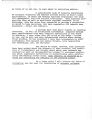
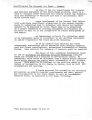
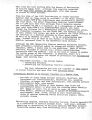
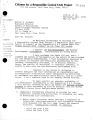
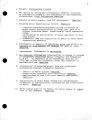
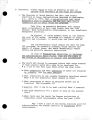
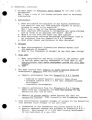
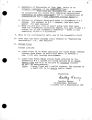
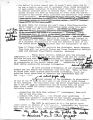
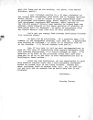
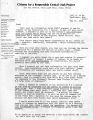
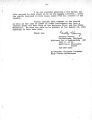
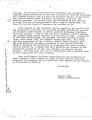
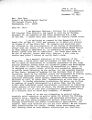
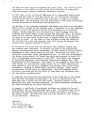
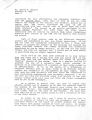
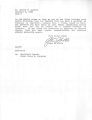
Show of a dy water system alone could permit uo to a 50% cutback i uni-cipal f nd for culinary quality water. Based on experience f where, m^ny experts believe that through pricing, installation oi water saving devices, and other conservation incentives, a 20% reduction in demand for culinary water would be achieved easily. We also question where the Jordan River irrigation conversion figures in the DES come from; different sections of the DES cite different figures, ranging from 40,000 to 200,000 acre feet. Since a dualxwater system already operates successfully in Davis County to the nortn "• and even in parts of Salt Lake County, why is it not examined in the DES? .If such a system were installed, if new local sources of high quality water cited in the DES were developed, and if per capita culinary water demand were moderated, would we need the M & I system at all? SOCIO-ECONOMIC IMPACTS: The DES fails to fully examine and analyze these impacts, particularly as they would affect oeoele in the Keber Valley area. To what extent would life styles and values of the region be changed? What increases would result in the cost of living, of oublic facilities and of services? Independent studies indicate that these impacts ootid be overwhelming. These should be detailed In the DES. LEGAL ISSUES: As mentioned above, the DES should include analysis of the legal status of the present repayment ceiling and existing contracts in relation to current cost overruns. It shculd also include analysis of the relationship between primary rights and secondary supplies. Can people who have sold their primary water rights, such as farmers selling their irrigation rights for power development, later legally obtain rights to new supplies made available through the M & I system? The project will necessitate a number of exchanges of water rights. "What will these be? What institutional entitles will be involved? What are the constraints on exchanging rights? These are only some of the important questions the DES does not satisfactorily deal with. Many others remain and are of concern to us: What will be the lmoacta of the Jordanelle on fish and other wildlife? What will be the effects on Provo Canyon and its recreational use of the intermittent very heavy stream flows? What recreational values are lost with the loss of instream fisheries? The Sierra Clubras long opposed the C.U.P. as unnecessary, as economically un justifiable ,• and as environmentally damaging. The M & I system appears particularly weak on all three of these grounds, and the incompleteness of the DES only increases our concern. We urge that the DES be revised to include more information and then resubmitted for oublic comment. In particular, the public deserves to know the full environmental and safety impacts and social and economic costs of the project as planned and of reasonable alternatives. Sincerely, Brian Beard President, Utah Chapter i. in ilium. . 1 - i - ^ W U H s . . . J i 'I UDf!1 |
| Reference URL |
https://collections.lib.utah.edu/ark:/87278/s6qf8rtd/1151186 |