| Title |
Municipal and Industrial System, Bonneville Unit, Central Utah Project, Utah: correspondence and documents, 1979 |
| Description |
Correspondence by Dorothy Harvey, other CRCUP members, federal and state officials and others; From the The Dorothy Harvey papers (1902-2005), a collection of materials focusing on the Central Utah Project (CUP), a water resource development program to use Utah's alloted share of the Colorado River. Includes correspondence, Harvey's writing drafts and notes for an unpublished book on the CUP, federal documents, project litigation materials, subject files, news clippings, newsletters, programs, brochures, and maps |
| Subject |
Central Utah Project; Strawberry Aqueduct; Rivers--Environmental aspects--Utah; Water resources development --Environmental aspects--Utah; Ute Indians--Claims |
| Contributor |
Harvey, Dorothy; Citizens for a Responsible Central Utah Project; Beard, Brian; Power, Thomas M.; Kaeding, Beth; Ellis, Glen J.; Plummer, Nelson W. |
| Alternate Title |
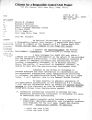
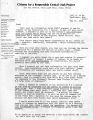
Costs to Utah residents of the CUP: some preliminary thoughts |
| Additional Information |
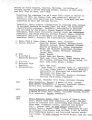
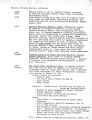
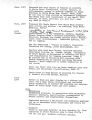
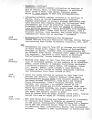
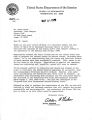
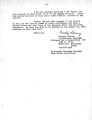
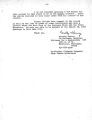
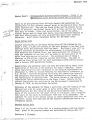
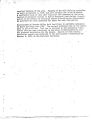
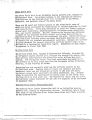
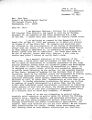
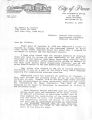
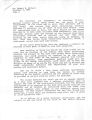
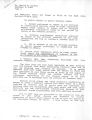
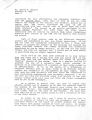
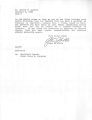
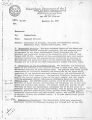
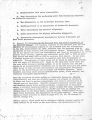
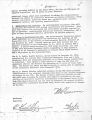
Includes: D. Harvey's letter dated May 3, 1979, to National Wildlife Federation detailing Central Utah Project issues for wildlife; D. Harvey's resume of activities, 1971-1979; Correspondence of Brian Beard, Utah Sierra Club president; The costs to Utah residents of the CUP: some preliminary thoughts, by Thomas M. Power, Sept. 1979; Status Report, Colorado River Salinitv Control Project, Title II of the Colorado River Salinity Control Act (P.L.93-320.); Letter dated Dec. 6, 1985 from Prove City Attorney Glen J. Ellis to Robert B. Hilbert, Chairman of Central Utah Water Conservancy District, concerning Hilbert's conflict of interest; Memorandum of Decision, Municipal and Industrial System,, Bonneville Unit, Central Utah Project, Utah, by Nelson W. Plummer, dated Dec. 26, 1979 |
| Spatial Coverage |
Colorado River Basin (Colo.-Mexico); Uinta Basin (Utah and Colo.); Duchesne River (Utah); Uinta Mountains (Utah); Rock Creek (Duchesne County, Utah); Jordanelle Reservoir (Utah) |
| Collection Number and Name |
Accn2232 bx 57 fd 6; Dorothy Harvey papers |
| Rights Management |
Digital Image © 2010 University of Utah. All Rights Reserved. |
| Holding Institution |
J. Willard Marriott Library, University of Utah |
| Date |
1979; 1980; 1985 |
| Digitization Specifications |
Original scanned on Epson Expression 10000 XL and saved as 400 ppi TIFF. Display image generated in Contentdm. |
| Publisher |
Digitized by J. Willard Marriott Library, University of Utah |
| Type |
Text |
| ARK |
ark:/87278/s6qf8rtd |
| Setname |
wwdl_neh |
| ID |
1151232 |
| Reference URL |
https://collections.lib.utah.edu/ark:/87278/s6qf8rtd |
| Title |
Page 25 |
| Setname |
wwdl_neh |
| ID |
1151155 |
| OCR Text |
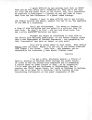
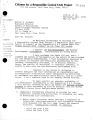
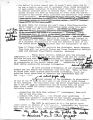
Show /£ get by. The EIS prepared for the State Transportation Department on the issue of upgrading primitive roads through the Brown's Park, northeast Utah region (to connect Denver with Yellowstone Park via Flaming Gorge) was considered by informed wildlife people to be a disaster in presenting the Issues. In addition, while it was released to interested developers at early stages, citizens (myself) had difficulty reviewing it for hearings. (Had to review BLM copy). So this EIS would normally have only been reviewed by State and Federal Agencies. And comments from these Agencies do not uncover underlying reasons and benefits to local pepple supporting the development, i.e., profits from sale of land where "preferred" road would be developed. - happenstance frequently determines wildlife information and input. Had I not worked on Idaho phosphate ore mining issues, no wildlife information would have gotten to citizen groups or to High Country News prior to release of the biased and unacceptable* Inter-Agency EIS. Had I not worked on the Uinta Range wilderness and wildlife issues, as well as oil shale -wildlife issues in Utah, there would have been no.beginning resource information base on habitat and development threats to it.for groups and individuals to begin to utilize. - Uinta Range wildlife - White River floodplains, cliffs, canyons, and surrounding area - the oil shale area and Book Cliffs - northeast Utah, Clay Basin, Brown's Park area - information on the mere presence of species of wildlife in areas is no longer adequate "ammunition" for interested citizens for commenting on development issues. Some understanding of the value of the land in the relationship with wildlife needs to be prepared for and understood. What I am suggesting is needed, is no "guarantee" that development issues will fully incorporate the wildlife issues, as you know. Even in a State like Montana, with agressive wildlife presentation, wildlife isn't always protected favorably. However, the alternative offers little hope for those who care. •When Governor Andrus became Secretary of Interior, this EIS was rejected. |
| Reference URL |
https://collections.lib.utah.edu/ark:/87278/s6qf8rtd/1151155 |