| OCR Text |
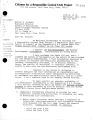
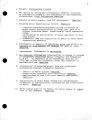
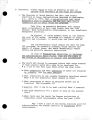
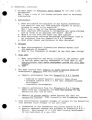
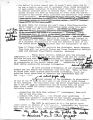
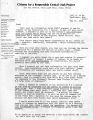
Show 3. In spite of these study recommendations, as well as habitat requirements of a Jack Ward Thomas manual for use in logging*, the degree of implementation of wildlife needs in the timber management, the effects of added access from logging roads, and benefits from plant succession, remain to be seen. With roadless areas to be released, outlying Forest lands extensively overcut, the Agency is eager to cut what it calls "fire hazard" and "overaged" timber.** With this management perspective and looking down the pike some 200 years, what lies ahead for Uinta Range wildlife? To be imposed on what many of us consider to be THE significant resource on the Uintas, are: - Central Utah Project developments - Development and industrialization of northeast Utah and south Wyoming - Subsequent vastly increased demand for all manner of recreation uses, compatible with wildlife or not which - conflict with greater demand for fly fishing and kayaking, bird watching, outdoor study groups and classes, photography, backpacking - all of which have wildlife orientation. • - No overview or model of management of wildlife resources which will fulfill all special requirements: old growth forest; standing dead trees; interim nesting boxes; seasonal recreation diversions for calving, fawning, rearing, large raptor nesting; migration corridors over varying land jurisdictions for elk and deer moving to winter range north, east and south of the Range; territories in isolation for species like Cougar, black bear; protection of migrating corridors in-forest and high elevation meadows and summer range cirque basins. - No inter-Agency coordination of ultimate goals, interim objectives: Forest Service, State Division of Wildlife Service, U.S.Fish & Wildlife Service, Bureau of Reclamation, BLM, Ute Tribe - No integration of Uinta Range wildlife with habitat areas on land and In waters on outlying areas to the Range which are "guaranteed" for the dependent species. - No inter-Agency Integration of wildlife requirements In the development planning of the region. Such planning is underway; roads, sewers, water supply lines, transmission lines, housing developments, added hospital wings, schools, etc. Planned community developments J Where are planned wildlife resource habitat areas? (Northeast Utah is the State's'most important area for raptors.) Far out expectations? Perhaps. But with Agencies carrying out Multiple Use programs while budgeted for consumptive uses, with a Wildlife Service under the same Department umbrella as Bureaus of Reclamation and mineral development, with each Agency responsible for its "own" resources, the needed perspective and planning does not take place. Agencies continue to respond to **Many of us have had many discussions whether wildlife resources are "safest" under Multiple Use management or under Wilderness classification. *Forest-Wildlife Relationships in the Blue Mountains of Oregon" Jack Ward Thomas, Principal Research Wildlife Biologist, USDA, Forest Service, La Grande, Oregon, t??7 |