| Title |
Municipal and Industrial System, Bonneville Unit, Central Utah Project, Utah: correspondence and documents, 1979 |
| Description |
Correspondence by Dorothy Harvey, other CRCUP members, federal and state officials and others; From the The Dorothy Harvey papers (1902-2005), a collection of materials focusing on the Central Utah Project (CUP), a water resource development program to use Utah's alloted share of the Colorado River. Includes correspondence, Harvey's writing drafts and notes for an unpublished book on the CUP, federal documents, project litigation materials, subject files, news clippings, newsletters, programs, brochures, and maps |
| Subject |
Central Utah Project; Strawberry Aqueduct; Rivers--Environmental aspects--Utah; Water resources development --Environmental aspects--Utah; Ute Indians--Claims |
| Contributor |
Harvey, Dorothy; Citizens for a Responsible Central Utah Project; Beard, Brian; Power, Thomas M.; Kaeding, Beth; Ellis, Glen J.; Plummer, Nelson W. |
| Alternate Title |
Costs to Utah residents of the CUP: some preliminary thoughts |
| Additional Information |
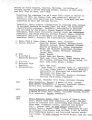
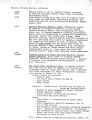
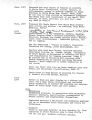
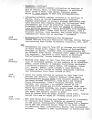
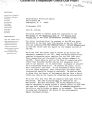
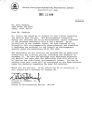
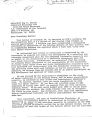
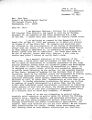
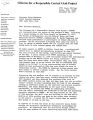
Includes: D. Harvey's letter dated May 3, 1979, to National Wildlife Federation detailing Central Utah Project issues for wildlife; D. Harvey's resume of activities, 1971-1979; Correspondence of Brian Beard, Utah Sierra Club president; The costs to Utah residents of the CUP: some preliminary thoughts, by Thomas M. Power, Sept. 1979; Status Report, Colorado River Salinitv Control Project, Title II of the Colorado River Salinity Control Act (P.L.93-320.); Letter dated Dec. 6, 1985 from Prove City Attorney Glen J. Ellis to Robert B. Hilbert, Chairman of Central Utah Water Conservancy District, concerning Hilbert's conflict of interest; Memorandum of Decision, Municipal and Industrial System,, Bonneville Unit, Central Utah Project, Utah, by Nelson W. Plummer, dated Dec. 26, 1979 |
| Spatial Coverage |
Colorado River Basin (Colo.-Mexico); Uinta Basin (Utah and Colo.); Duchesne River (Utah); Uinta Mountains (Utah); Rock Creek (Duchesne County, Utah); Jordanelle Reservoir (Utah) |
| Collection Number and Name |
Accn2232 bx 57 fd 6; Dorothy Harvey papers |
| Rights Management |
Digital Image © 2010 University of Utah. All Rights Reserved. |
| Holding Institution |
J. Willard Marriott Library, University of Utah |
| Date |
1979; 1980; 1985 |
| Digitization Specifications |
Original scanned on Epson Expression 10000 XL and saved as 400 ppi TIFF. Display image generated in Contentdm. |
| Publisher |
Digitized by J. Willard Marriott Library, University of Utah |
| Type |
Text |
| ARK |
ark:/87278/s6qf8rtd |
| Setname |
wwdl_neh |
| ID |
1151232 |
| Reference URL |
https://collections.lib.utah.edu/ark:/87278/s6qf8rtd |
| Title |
Page 17 |
| Setname |
wwdl_neh |
| ID |
1151147 |
| OCR Text |
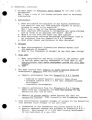
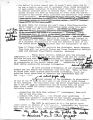
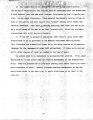
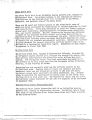
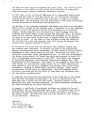
Show t. input into management is still inadequate. Beaver activities on the Uintas are significant in the creation of wetlands,moose habitat,and fish pond environment. Research o n beaver/moose symbiotic relationship is available. Still, impacts from CUP developments by the Bureau of Reclamation Is measured In so many moose lost to project development, only; beaver Is considered an Irretrievable loss; and beaver management by the Forest Service stems from the value of this animal for trapping or the nuisance from pond-overruns which necessitate eradication measures. -- , - Impacts on streams from CUP must be evaluated from a point of moose habitat, as well as from fishery loss. Cumulative impacts on riparian ecosystems will be significant for moose with 10 - 22 streams dewatered. Bats have not been systematically studied in spite of the presence of numerous sizable caverns connecting the Mississippian limestone structure of the South Slopes. The entrance to Whiterocks Canyon cave is above the proposed water level for the reservoir, yet no data exists on use of this relatively unexplored cave by bats or their habitat on the wetland/river bottomlands below. (In addition,"nobody knows"the possible effects of water backed up into this Canyon by a dam on the limestone cavern structure abutting.) Information needed on small animal habitat to determine mitigation - species related to habitat types - locations of habitat types and interrelationships of use - species habitat requirements; adequacy on Range; limiting factors - predator prey relationships: Why is the Canada lynx disappearing? Related to a 10 year lynx-hare cycle only? - to what degree is Forest Service management geared to general and specific wildlife requirements? - Pine marten, Fisher, Otter, Beaver - habitat types impacted by CUP developments - relative values of impacted resources: economic (trapping); as prey: rarity; biologic diversity Rocky Mountain Sheep - potential restitution of some species formerly present on the Uinta Range requires that habitat yeas and types are not fore-closedT One present deterrent, raising domestic sheep, likely will not prevail. The Uinta Range is not a wildlife refuge. Given different circumstances, it might have been a first of its kind as a mountain wildlife refuge in recognition of its unique features. Size-wise, until just very recently, it has provided habitat for more varieties of the very diverse Rocky Mountain wildlife of any area. The gradual attrition of. species native to this Range is being accepted as inevitable. With adequate recognition, it need not be Inevitable. |
| Reference URL |
https://collections.lib.utah.edu/ark:/87278/s6qf8rtd/1151147 |