| OCR Text |
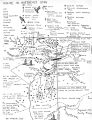
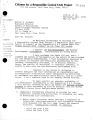
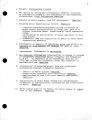
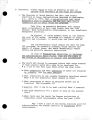
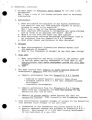
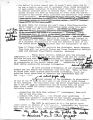
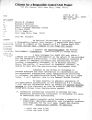
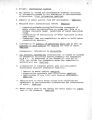
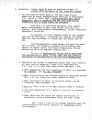
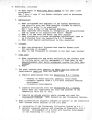
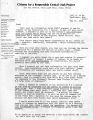
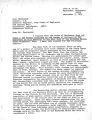
Show /o< This team has been working with the Bureau of Reclamation to acquire these flows although flow quantity requested i s f o r only four streams In this Unit, with some excess to divert to other streams. From the time of the 1965 Proclamation of former Governor Rampton that no flows would be available in the Uinta streams, Agency people and a few individuals have persistently pursued the flow issue. The Water Conservancy District later"allowed" for a 6,500 acre feet flow although Fish & Wildlife Service has requested 48,000 a f annually. As a consequence of outcry last year from Utah's fly flshermen*and myself, who later formed the Citizens for a Responsible Central Utah Project group, the fisheries biologist- for the State DWR, now working solely on this stream flow issue, was able to present the issue recently to the Governor at a meeting attended by State water people as well as by members of CRCUP. It is my understanding that s_ome attempt will be made by the Bureau of Reclamation to provide increased flows in the Bonneville Unit streams. Although the DWR /Bonneville Chapter American Fisheries Society have prepared a detailed report on stream and fishery impacts * (January, 1979), I would like to see additions. Maps of stream portions, mileages of stream lost, stream classifications, recreation uses and numbers - and In the form of tables or graphs for easier grasp of the situation. In addition, there is a present need to determine the degree of protection the recommended flows will provide for: - - watershed function - the stream regime - sustaining wetlands - protecting and sustaining riparian ecosystems Far less information has been put together on this aspect of stream function and what flow loss actually means. Information Needed to be Brought Together In a Report Form - portions of Uinta Range streams involved, locations, and importance of: classifications, recreation use, spawning function, mileages and some descriptions, fish species present - hydrological data, year around - relationship and timing of this between free flows and appropriated water; to whom does the existing water actually go? Waste of water; Use of water on poor. 6W lands. - some detail, stream by stream, of nature of biological/aauatic environment: food, cover, riffle to pool relationships, value of natural spawning versus artificial supply, costs, economic values •Bonneville Chapter, American Fisheries Society, finally agreed(5/78) to a resolution to protect streams flows. Last year, although admitting to destruction of wildlife habitat, the Utah Wildlife Federation backed away from withdrawing their support for CUP. |