| Title |
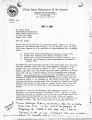
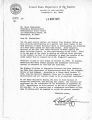
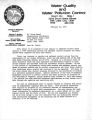
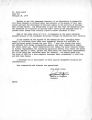
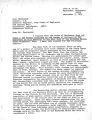
Municipal and Industrial System, Bonneville Unit, Central Utah Project, Utah: correspondence and documents, 1979 |
| Description |
Correspondence by Dorothy Harvey, other CRCUP members, federal and state officials and others; From the The Dorothy Harvey papers (1902-2005), a collection of materials focusing on the Central Utah Project (CUP), a water resource development program to use Utah's alloted share of the Colorado River. Includes correspondence, Harvey's writing drafts and notes for an unpublished book on the CUP, federal documents, project litigation materials, subject files, news clippings, newsletters, programs, brochures, and maps |
| Subject |
Central Utah Project; Strawberry Aqueduct; Rivers--Environmental aspects--Utah; Water resources development --Environmental aspects--Utah; Ute Indians--Claims |
| Contributor |
Harvey, Dorothy; Citizens for a Responsible Central Utah Project; Beard, Brian; Power, Thomas M.; Kaeding, Beth; Ellis, Glen J.; Plummer, Nelson W. |
| Alternate Title |
Costs to Utah residents of the CUP: some preliminary thoughts |
| Additional Information |
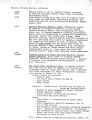
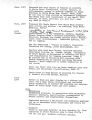
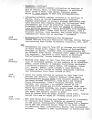
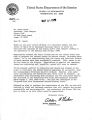
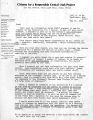
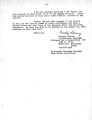
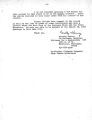
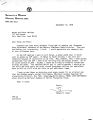
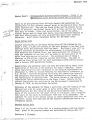
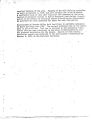
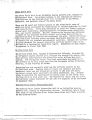
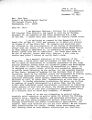
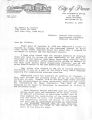
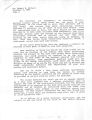
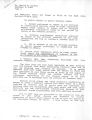
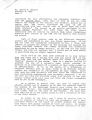
Includes: D. Harvey's letter dated May 3, 1979, to National Wildlife Federation detailing Central Utah Project issues for wildlife; D. Harvey's resume of activities, 1971-1979; Correspondence of Brian Beard, Utah Sierra Club president; The costs to Utah residents of the CUP: some preliminary thoughts, by Thomas M. Power, Sept. 1979; Status Report, Colorado River Salinitv Control Project, Title II of the Colorado River Salinity Control Act (P.L.93-320.); Letter dated Dec. 6, 1985 from Prove City Attorney Glen J. Ellis to Robert B. Hilbert, Chairman of Central Utah Water Conservancy District, concerning Hilbert's conflict of interest; Memorandum of Decision, Municipal and Industrial System,, Bonneville Unit, Central Utah Project, Utah, by Nelson W. Plummer, dated Dec. 26, 1979 |
| Spatial Coverage |
Colorado River Basin (Colo.-Mexico); Uinta Basin (Utah and Colo.); Duchesne River (Utah); Uinta Mountains (Utah); Rock Creek (Duchesne County, Utah); Jordanelle Reservoir (Utah) |
| Collection Number and Name |
Accn2232 bx 57 fd 6; Dorothy Harvey papers |
| Rights Management |
Digital Image © 2010 University of Utah. All Rights Reserved. |
| Holding Institution |
J. Willard Marriott Library, University of Utah |
| Date |
1979; 1980; 1985 |
| Digitization Specifications |
Original scanned on Epson Expression 10000 XL and saved as 400 ppi TIFF. Display image generated in Contentdm. |
| Publisher |
Digitized by J. Willard Marriott Library, University of Utah |
| Type |
Text |
| ARK |
ark:/87278/s6qf8rtd |
| Setname |
wwdl_neh |
| ID |
1151232 |
| Reference URL |
https://collections.lib.utah.edu/ark:/87278/s6qf8rtd |
| Title |
Page 24 |
| Setname |
wwdl_neh |
| ID |
1151154 |
| OCR Text |
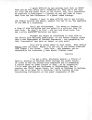
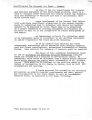
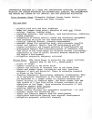
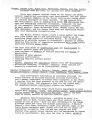
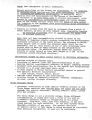
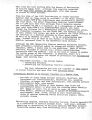
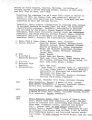
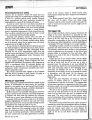
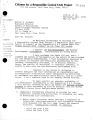
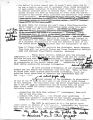
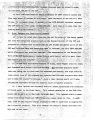
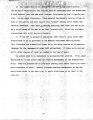
Show REASONS FOR NEED FOR DEVELOPING WILDLIFE RESOURCE REPORTS My experience as a lone, citizen wildlife advocate (unsponsored by any group)working in the Rocky Mountains in protecting habitat areas and upgrading wildlife management* under conditions of rapid resource development on public lands, leads me to certain conclusions about public input. I am convinced of the need of independently prepared wildlife resource Information which must be available for public presentation as Issues of development take place. Issue by issue, the wildlife resource base needs to be supplied to support public protection action. Research and on-the-spot information is valueless filed in Agency drawers or in University PhD. files. I have found that - - in two major areas of development, southeast Idaho for phosphate ore, and northeast Utah, wildlife Information Isn't publicized adequately, If at all. Issues are complex, land jurisdictions intertwined, the varieties of species Involved are extensive. - unlike Idaho, funding for a State Division of Wildlife Re- • sources publication was stopped..When renewed recently, there was no real freedom to present issues of conflict over development. (I know. I was pushing the Editor to do this.) So the hunter or fisherman reads only information on types of flies for fishing, or "How to catch a Brown trout!" Even though the State Agency responsible for wildlife resources was battling for wildlife on many issues, it was unable to present the issues for discussion. ~ concerned wildlife staffs - both State and Federal - can be limited to their Agency positions. - Agencies managing Federal lands appear to me to be Increasingly oriented to consumptive uses of public resources for State development which override the National Interests in wildlife and recreation. - citizens and group; get involved too late in the development process - citizens can uncritically accept Agency, State and mineral developer's philosophies. In Vernal, Utah, as at Rock Springs, Wyoming, citizens can be heard repeating development justifications - word for word - as propounded by mining representatives. (I have called this brainwashing!) - affiliate groups in Utah of National (wildlife) organizations are themselves not aggressively developing wildlife habitat Information as developments are proposed. - with no independently prepared resource base on wildlife requirements or impacts from development made available for hearings or EIS presentations, attitudes of "let the expert decide" can and do prevail. Wholly inadequate EIS preparations •Working with Merrill Petoskey, interim Forest Service wildlife chief |
| Reference URL |
https://collections.lib.utah.edu/ark:/87278/s6qf8rtd/1151154 |