| OCR Text |
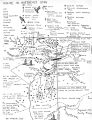
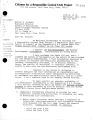
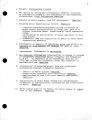
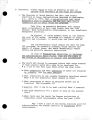
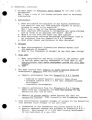
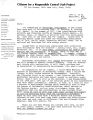
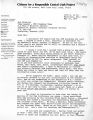
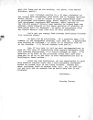
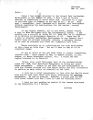
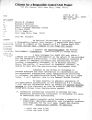
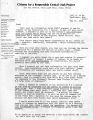
Show At. Utah Lake Utah Lake is considered to be a unique warm water lake in the nation, by some Utah experts. Its present functioning, as a shallow lake, fed by saline springs, is provided through cleansing properties of sponges in the Goshen Bay littoral zone and by wind patterns from surrounding highlands. Its Provo Bay and Goshen Bay marshes and surrounding farmlands are important habitat for waterfowl, shorebirds, songbirds, I.e. White Pelicans, Cormorants, White-faced Ibis, Egrets, rails, Canada geese (5,000-6,000 annually),- Ruddy Duck, etc. These marshes serve for nesting, reting, feeding - with Pelicans flying from the Great Salt Lake to feed. Utah Lake is on a flyway In the region. Peregrine Falcon used eyries above Provo Bay marshes for prey. There are still unresolved questions of the present utilization of some cliff eyries. Utah Lake is valued as a recreation resource for fishing, hunting, bird watching, etc., and has local sport supply,economic tie-ins with perpetuation of these resources. ' The Bureau of Reclamation has contracted a one million dollar, three year study of Utah Lake resources with Brigham Young University and the State Division of Wildlife Resources. This research is related to earlier plans to dike Provo and Goshen Bays to salvage evaporated water for irrigation and to recent plans for Peak Pump Power Storage development-on Utah Lake. I have "privileged" information on some of the Utah Lake resources, including some possible R & E species, as well as the nature of impacts from either diking or power development. Either development will have broad based effects on the Lake's natural resources and raise questions about the need for changing Utah Lake. Need for Information - the need for assembling information on impacts on Utah Lake stem from the planned System by System development of the CUP. Utah Lake diking was originally an integral part of the Bonneville Unit development but has been modified so that now a Utah Lake M & I System is separated and will be the last System to be planned for and developed. The issue here is that by the time this System is presented in an EIS, development and impacts will already be committed and protective action will be unrecoverable. |