| OCR Text |
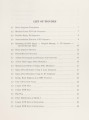
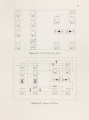
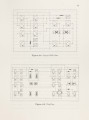
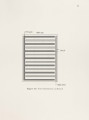
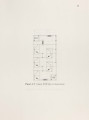
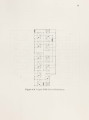
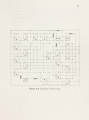
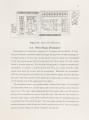
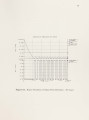
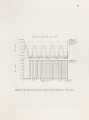
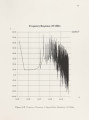
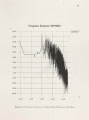
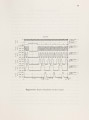
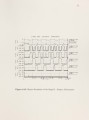
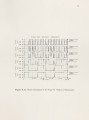
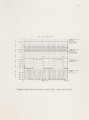
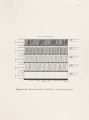
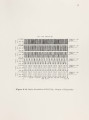
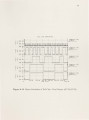
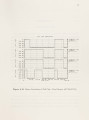
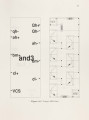
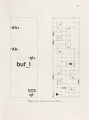
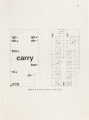
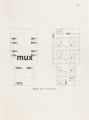
Show 7 6.4 Stage II Simulation The Stage II includes the decimator and the despread r. Th d spr ad r ircuitry includes some muxes along with a 6-bit adder. We also hav a 1-bit PN od that comes into the despreader. The output of Stage II is a 6-bit numb r which is the despread signal, and a clock that is 20 times slower than the sampling clock. The Hspice simulations of this stage, which includes the sigma-delta modulator, the decimator, the clock divider and the despreader, are shown in Figures 6.10 and 6.11. Q5-Q1 is the 5-bit output of the decimator and DQ5-DQO is the 6-bit output of the despreader. 6.5 Full Chip Simulation Finally the full chip was simulated using Hspice. The output plots are shown in Figures 6.12 to 6.16. This simulation is for a DC analog signal fed to the sigma-delta modulator. From the plots we can observe all the nodes in the chip, from the modulator to the second stage decimator. The inputs to the chip are the analog signal that needs to be converted, the high speed clock which is at the oversampling frequency (2 GHz), the clear signal which is used to reset the counters and registers and helps in proper tracking, and the PN code used for despreading the signal. The observable outputs in the chip are the digital output of the sigma-delta modulator, the two slower clocks - clk20 (divide by 20) and clk216 (further divide by 16), and the final 9-bit output. The clear signal generated by the 4-bit counter can also be observed, which is used to reset the 9-bit register and to dump out the data to the outside. OUT8-0UTO is the output of the register which contains the final value that is sent to the next stage of the direct sequence spread spectrum receiver. The simulations show that the chip is fully functional and successfully converts the analog data by oversampling it at 2 GHz, down-sampling by 20, despreading and further downsampling by 16 to obtain a 9-bit digital data at 6.25 MHz which corresponds to the message signal. The PN code used here is generated off-chip, and is exactly the same as the one used for spreading the message before transmission. |