| OCR Text |
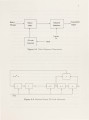
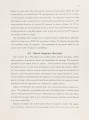
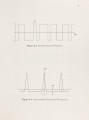
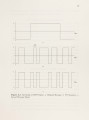
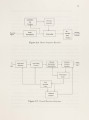
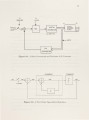
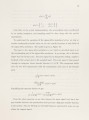
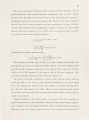
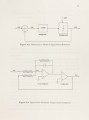
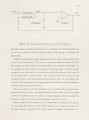
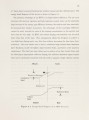
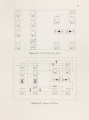
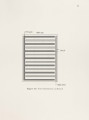
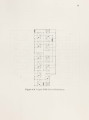
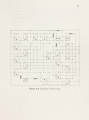
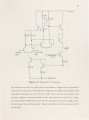
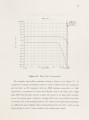
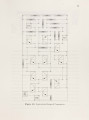
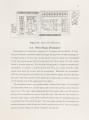
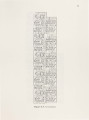
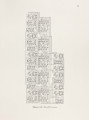
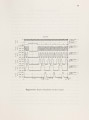
Show 6 fr qu n y n1odulation and puis ode modulation n1ay hav bandwidth that ar n1u h gr ater than the n1 ssage bandwidth. H nc th s cond rit ri n i that tb transmitt d bandwidth must be determined by some fun tion that is ind p nd nt of the message and is known to the receiver. 2.1 Direct Sequence or PN Transmitter Direct sequence (or directly carrier-modulated, code sequence modulation) systems are the best known and most widely used spread spectrum systems[23]. This is because of their relative simplicity from the standpoint that they do not require a high-speed , fast settling frequency synthesizer. Today, direct sequence modulation is being used for communication systems and test systems. Compared to chirp systems, direct sequence systems are usually more complex, but outperform the chirp systems in interference rejection. Quite often in a spread spectrum application it is necessary to employ more than one kind of modulation. In many of these applications it is found necessary to employ direct sequence modulation as one of those making up the overall waveform, since no other type of spread spectrum technique is as insensitive to as many different kinds of interference. All things considered, direct sequence systems have been in the past, and will continue to be in the future, the standard against which all other anti-interference and ranging systems will be measured. A typical direct-sequence transmitter is illustrated in Figure 2.1. The transmitter contains a PN code generator that generates the pseudonoise sequence. The binary output of this code generator is added, modulo 2, to the binary message, and the sum is then used to modulate a carrier. The modulation in this case is biphase or phase reversal modulation so that the output is simply a phase shift keyed signal. One of the preferred ways of PN code generation is by using a maximal-length shift register[24] such as shown in Figure 2.2. Pseudonoise code generators are periodic in that the sequence that is produced repeats itself after some period of time. Such a periodic sequence is portrayed in Figure 2.3. The smallest time increment in the sequence is of duration t1 and is |