| OCR Text |
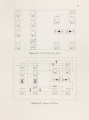
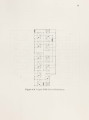
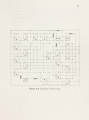
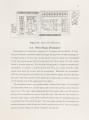
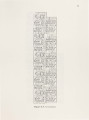
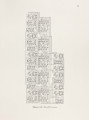
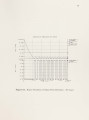
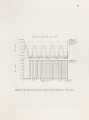
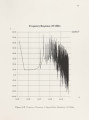
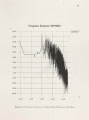
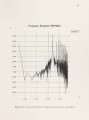
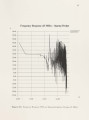
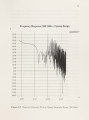
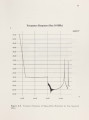
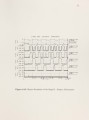
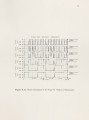
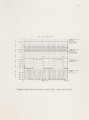
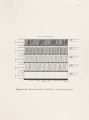
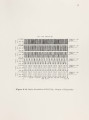
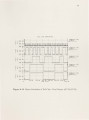
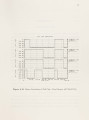
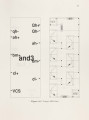
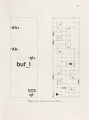
Show 1 frequency spectrum to check for the effects of th sigma-d Ita rnodulator during the conversion process. One of the most notable efD cts on any onv rt d sp trum is the quantization noise which is concentrated at the higher fr qu nci s. As an be seen in Figures 6.3 to 6. 7, most of the quantization noise is above the base band of the signal, and thus does not affect the signal. This quantization noise can b filtered out using a low pass filter, to obtain a clean message signal for furth r signal processing. The frequency spectrum analysis is one of the best methods to demonstrate how a sigma-delta modulator acts as a low pass filter for the message signal and a high pass filter for the quantization noise. This is because of the negative feed back and error accumulating integrator present in the Sigma-Delta modulator. The frequency spectra for the sigma-delta modulator for input frequencies of 25 MHz, 100 MHz and 500 MHz are shown in Figures 6.3 to 6.5. In each of these cases the oversampling frequency is 20 times more than the signal frequencies which are 500 MHz, 2 GHz and 10 GHz. The output spectrum has a peak that corresponds to the input frequency and has most of the quantization noise above this peak. However the frequency spectrum of the 500 MHz input signal simulation shows that a big percentage of the quantization noise is in the base band of the input signal. This is due to the slew rate limitations of the comparator and the latch. The circuit has a high signal to noise performance at a 2 GHz oversampling rate, for a signal of 500MHz bandwidth. At this frequency, the spectrum of the output signal is very close to that of the input signal after the high frequency quantization noise is removed. These simulations were also performed on the sigma-delta modulator containing the opamp integrator. The frequency spectra obtained from these simulations are shown in Figures 6.6 and 6. 7, which correspond to a 25 MHz input and a 100 MHz input signal. It can be observed that there are more distortions in the signal bandwidth in the opamp design, and they increase when we move to a higher frequency(100 MHz). This is caused by the lack of speed of the opamp, because of its low slew rate. |