| OCR Text |
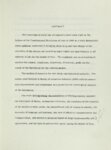
Show Third) the executive power, which appertains to the King, that is to the laws and ordinances are carried out by the Ministers and State say, officials in the august name of His Imperial Maj esty in such manner as the Law defines .. Art. 28. The three powers above mentioned shall tinct and separate from one another ever remain dis .. Art. 29. The special interests of each province, department and district shall be arranged and regulated, in accordance with special laws this subject, by provincial and departmental councils (anjumans ), Rights of Members of the on Assembly. Art 30.. The deputies of the National Consultative Assembly and of the Senate represent the whole nation, and not only the particular classes, .. provinces, departments ship or districts which have elected them. Art. 31. One person cannot at of both Assemblies. Art. 32.. As one and the same time enjoy member any deputy accepts any. lucrative employment in departments of the government, he ceases to be a member of the Assembly, and his re-acceptance as a member of the Assem bly depends on his resigning such government appointment, and being re elected by the people. the service of Art .. 33. one soon as of the Each of the two Assemblies has the right to investigate and examine every affair of state. Art. 34.. The deliberations of the Senate National Consultative Assembly Rights ArL 35. people Art. 36.. son of His prolong ineffective when the of the Pers ian Throne. The sovereignty is to the person of the are is not in session. a trust confided (as a Divine gift) by the King. The constitutional Monarchy of Persia is vested in the per Imperial Majesty Sultan Muhammad 'Ali Shah Qajar (may God his sovereignty! ) and in his heirs, generation after generation. |