| OCR Text |
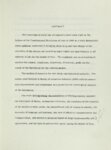
Show 89 Mirza Abul-Qasim, a wealthy reactionary related by marriage to the [king], had been requested by Aynu'd-Dawla [the prime minister] to take steps to disperse the refugees, and had accordingly collected a number of his followers armed with sticks and other weapons which they had concealed under their coats and cloaks, ready at a sign to take action, and when Aga Sayyid Jamal [a member of the clergy] ascended the pulpit and began to speak with vehemence against the intolerable tyranny to which they were subjected, [Mirza Abul-Qasim] rose up, denounced his utterances as treasonable, and called on his men to expel the refugees by force, which they proceeded to do. That night a few of them, including the [clergy], retired from the city to the holy shrine of Shah 'Abdul' 1Azim, and there took refuge. Here after a while they were joined by many others, [clergy] and students, amongst the former by the afterwards celebrated Shaykh Fazlu' llah [Nouri], who was at that time regarded by the people as one of the "three Proofs" or "Founders" [the other two being Tabatabai and Behbahani] of the Constitutional Movement (Browne, 1910a:113). This protest received the tremendous material and of England and those who governor of Tehran. were Among opposed them was to the spiritual support prime minister and/or the Muhammad Ali, the Crown Prince, who, though he opposed the wishes of the people and any kind of constitution, supported the protest because of his personal dislike for the governor and the prime minister The The (Malekzadeh, 1961:81-94). clergy and people proclaimed themselves refugees government tried to and in ''bast''. prevent people from joining the refugees; but, in spite of its efforts, the number increased of people from all groups and classes who joined the refugees (Kasravi, 1961:64). Din Shah, went out of so far as to order his "bast," but his objective was troops not to The king, Muzaffaru'd- forcibly bring accomplished. The the poeple refugees |