| OCR Text |
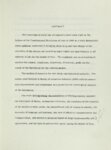
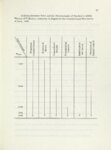
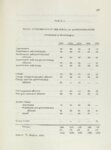
Show 136 the of Tehran, and fifteen people by the people of the Provinces)" (Article 45). During the Qajar dynasty, the influence of the clergy and govern mental officers the House of owners class and can be seen in the class Representatives (See Table 1). governmental officers members--Asnafs, This idea on was Islamic laws conveyed inferior human beings: in the person of His changed women electoral functions: Law disinherited and (1) rights and governmental officers. equal rights with men. were "The Constitutional of Persia is vested Monarchy participate, 'The following are women neglected aigniflcant poor that would to the Constitution and women " ... Therefore, the Revolution women--and and one This is another accepted generation after generation" (Article 36). candidates for office: their its direction to do not have more, women cannot be ministers or laborers, and intellectuals. as Imperial Majesty, Sultan Muhammad Ali Shah Qajar and in his male heirs, or Note the, increase of land upper-class--landowners, clergy Based of the members of and the decline in the number of middle capitalists new indication that the Revolution benefit the membership a in elections as Further electors absolutely disqualified from (Article 10). and its Constitution and the Electoral substantial portion of the other categories of the population- population-c-peasants , independent farmers, merchants and trade-guilds--from opportunities in political and social realms of the country. |