| OCR Text |
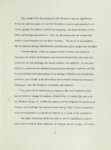
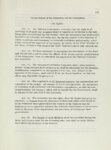
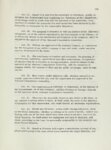
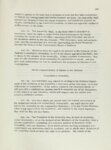
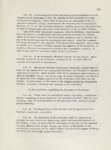
Show 156 structure of the society, parttcularty if the. the influence of the Moslem philosophy, this group in people the mobilizing Violence and opposed the use change doctrines for action, tional benefits. Revolution of the clergy. laws. against any kind of was; played the role of leaders concerned about their in the change addition, this group Even when decreased Moreover, personal It is doubtful that this group understood the In 0 mostly structural as institutions were or or of power and weapons (Kasravi, 1961:613). The members of the middle-class who in the Revolution reduced they soclety was its , or occupa meaning of organizations and made up of obedient followers took weapons to . fight they asked for the advise, guidance and prayers of the clergy (Momeni, 1966). The a proper does not only group who manner were apply the orders and policies and participated bly caused few in were of the were prestige and wealth. their role the intellectuals. to those' who alistic intellectuals was played as leaders of the Revolution in Of course, the above statement agents of England or those who followed But the nation English (Kasravi, 1961:604). few in number; they lacked significant Some of them became representatives in the writing the Constitution. revolutionary articles they translated in the Constitution. their guide. the Constitution of However, they did Assembly Their presence in the Assem Even this group not familiar with the nature of law and the constitution. reason power, Belgium (1831) For this and used it as not consider the differences between these |