| OCR Text |
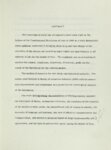
Show 122 stressing a separation of the three branches of government. for the establishment of the army, strong effort police There was a and court for the security of the people against foreign and domestic powers (Malekzadeh, 1961:109- 85). Nevertheless, the National Council after Ali Shah in 1909, decided to Mirza, who at the time The young 1910a:322). was some king existed; he, could neither be fill the role as place on a great and ''it his palace and had on one thirteen years old (Browne, the situation that leader to the people after the Revolution the "Shadow of God" to be too or nothing, given . Although for his age and strove to act the part of proved restgnation of Muhammad the throne his son, Sultan Ahmad twelve could do the was a king, the "child even was mature at times the pressures reported that he had occasion king" nor tried to escape from threatened to commit suicide" (Browne, 1910a:325). In such leaving a no one situation, where the king (Muhammad Ali Shah) resigned, of power and/or prestige to be king except a young boy who, because of tradition, took the throne, the Constitutional Revolution may be said to have accomplished naught form of government. powers to the almost a no Divine king bonds. in bringing about a real parlimentary The Constitutional Revolution itself gave special and allowed the, king to exercise, these powers 'with For instance, "I'hesovereigntyIs a trust confided as gift by-the people to the person of the -King'(Artlcle 35); "The |